High-Protein Breakfast Ideas That Keep You Full Until Lunch
Not every breakfast keeps you full. Find out what actually has protein, then build your plate your way.
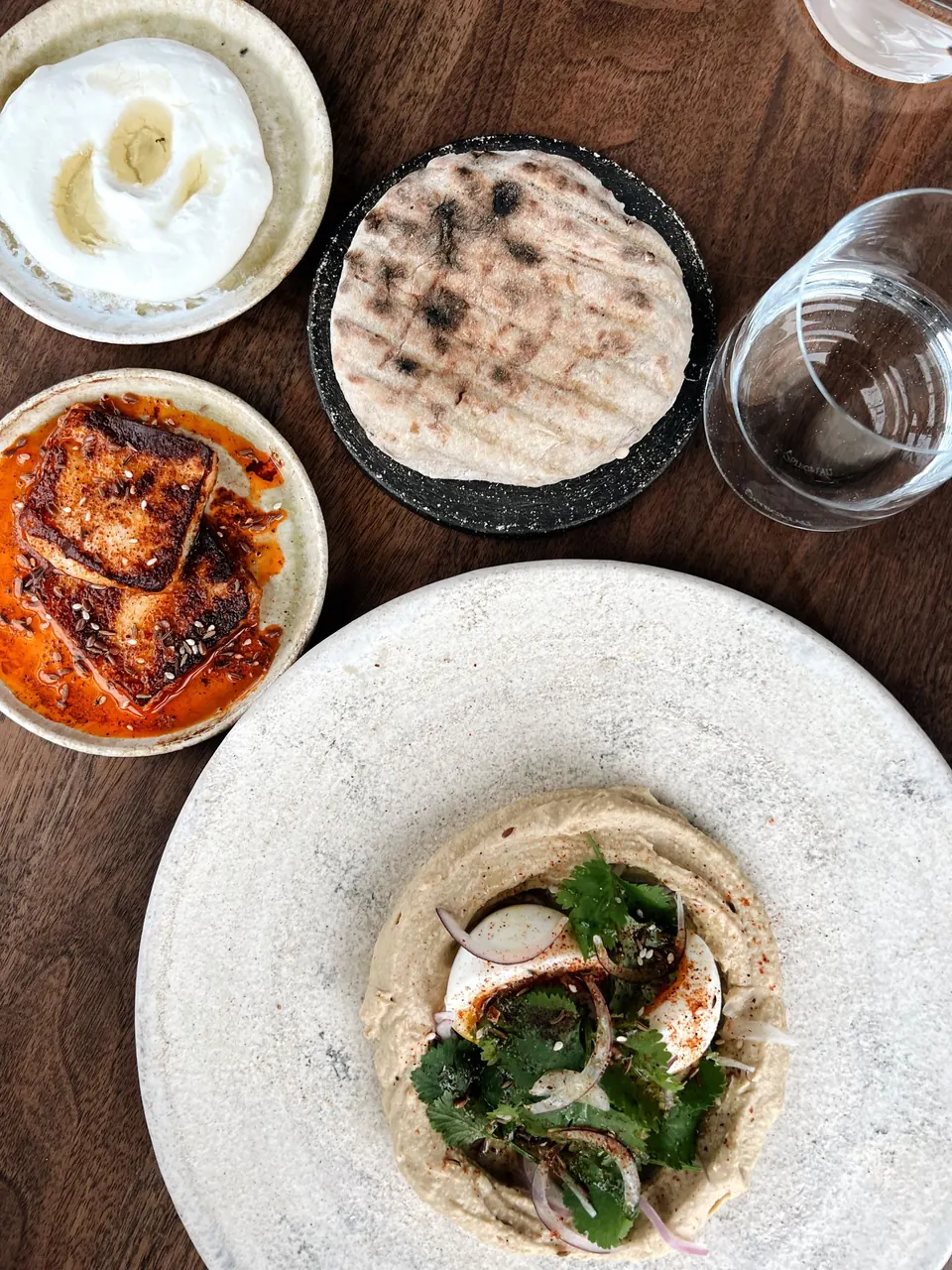
Ten in the morning and your stomach is already growling? Usually the problem isn't that you skipped breakfast. It's that breakfast was all bread, labneh (the thick strained-yogurt spread) and tea. Protein is what makes fullness last, and a typical Saudi breakfast table has some foods that are genuinely high in protein, and others we think of as protein that are actually pretty light.
In this guide we ranked the most popular breakfast foods by protein using data from the US Department of Agriculture (USDA), and answered the question that keeps coming up: whole egg or just the whites? You'll also find quick breakfast ideas and egg dishes to get you through a whole week without getting bored.
In this guide 10
- How much protein is in your breakfast? Ranked from highest
- Protein in breakfast foods: the chart
- Why protein at breakfast matters, especially for women
- Whole egg or egg whites: which is better?
- Egg calories: whole, white, yolk and by cooking method
- What does the egg yolk give you?
- Quick breakfast ideas in 5 minutes
- Calories in breakfast toppings
- Egg dishes for every day of the week
- How to make your breakfast more filling
How much protein is in your breakfast? Ranked from highest
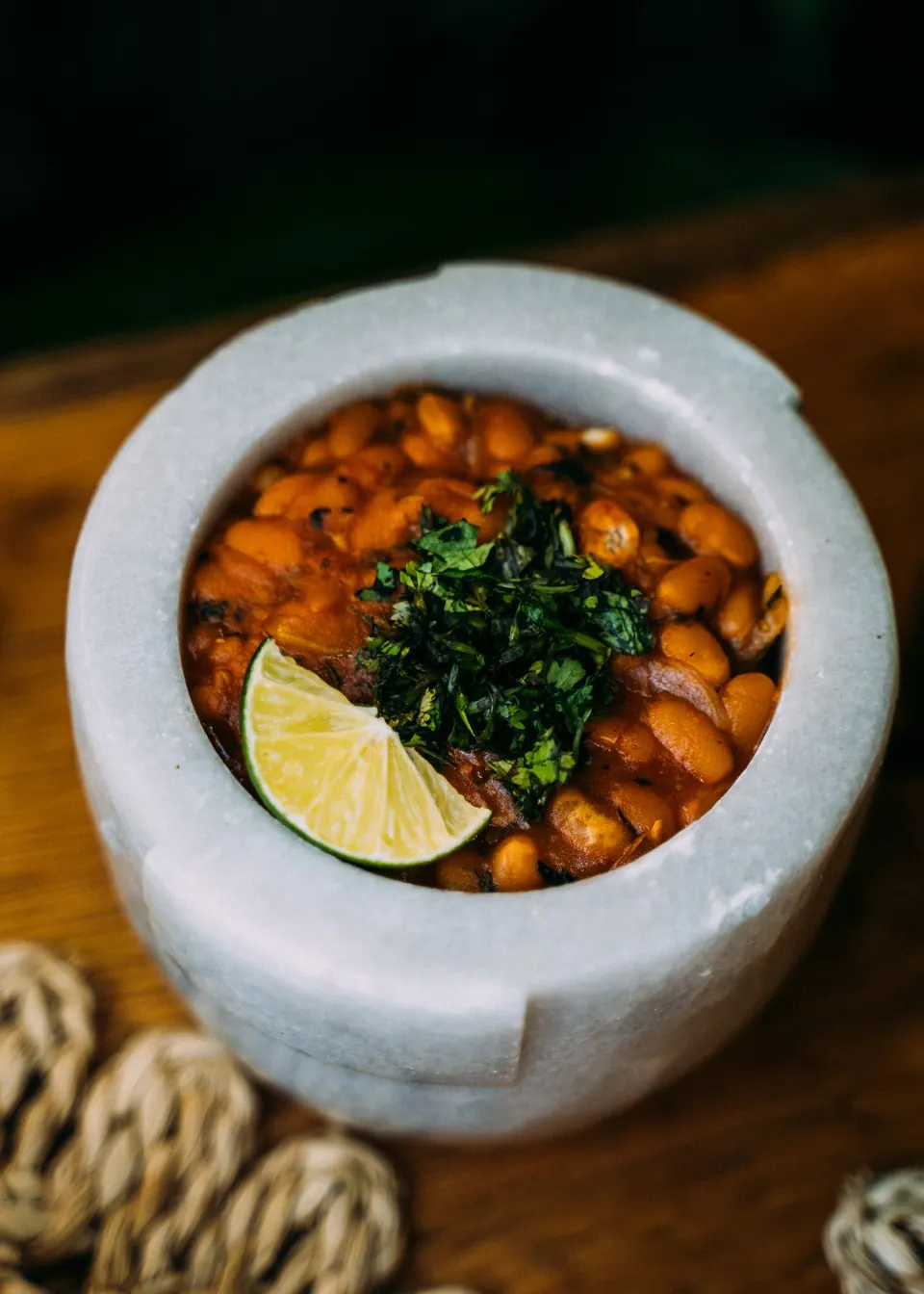
A 170 g tub of nonfat Greek yogurt has 17.3 g of protein and just 100 calories, the highest number on our list. Next comes a cup of ful (stewed fava beans, a breakfast staple across Saudi Arabia), with 14 g of protein and 182 calories, plus 9.5 g of fiber that makes it one of the most filling options. Two boiled eggs give you 12.6 g of protein and 155 calories.
Cottage cheese is a nice surprise: half a cup has 14 g of protein and 81 calories, about the same protein as a cup of ful. Below those come the salty cheeses; 30 g of feta has 4.3 g of protein. And hummus? Two tablespoons have only 2.3 g of protein. Tasty and good for you, but it's not what will carry you through to midday.
What about labneh and halloumi? Neither has an entry in the USDA data, and their numbers vary from brand to brand, so we left them out of the table. Many labneh brands have less protein than Greek yogurt even though the texture is similar, so turn the tub over and check the label before you count on it. Halloumi does have protein, but it also has a fair amount of salt and fat, so stick to a portion you know.
Protein in breakfast foods: the chart
| Food | Calories | Proteing | Fiberg |
|---|---|---|---|
| Nonfat Greek yogurt1 tub, 170 gUSDA | 100 | 17.3 | 0 |
| Whole-milk Greek yogurt1 tub, 170 gUSDA | 165 | 15.3 | 0 |
| Canned fava beans (ful)1 cup, 256 gUSDA | 182 | 14 | 9.5 |
| Low-fat cottage cheese1/2 cup, 113 gUSDA | 81 | 14 | 0 |
| Hard-boiled eggs2 large, 100 gUSDA | 155 | 12.6 | 0 |
| Oats (dry)1/2 cup, 40.5 gUSDA | 153 | 5.3 | 4.1 |
| Feta cheese1 small piece, 30 gUSDA | 80 | 4.3 | 0 |
| Whole-wheat bread1 slice, 32 gUSDA | 81 | 4 | 1.9 |
| Hummus2 tbsp, 30 gUSDA | 71 | 2.3 | 1.6 |
Whole-milk Greek yogurt has nearly the same protein as nonfat; the difference is all in the calories from fat.
Why protein at breakfast matters, especially for women
Protein and fiber digest more slowly than white bread and sugar, so a breakfast with eggs, ful or yogurt holds you longer than one that's all carbs. You don't have to give up bread; just put something with protein next to it.
There's a second reason that applies to us in particular: iron. Women aged 19 to 50 need 18 mg of iron a day, compared with just 8 mg for men2. A cup of ful has 2.6 mg of iron, and two eggs have 1.2. Iron from beans and other plants is absorbed less well than iron from meat, and vitamin C helps your body take it in, so lemon or tomato alongside your ful is a smart move.
Calcium matters too: a tub of Greek yogurt has 187 mg of calcium, and women aged 19 to 50 need 1000 mg a day3. So one tub covers about 19% of your daily need. There's more on this in our guide to calcium in cheese and yogurt.
Whole egg or egg whites: which is better?
A large egg has 72 calories and 6.3 g of protein. Split it up and the white alone has 17 calories and 3.6 g of protein, while the yolk has 55 calories and 2.7 g of protein. In other words, more than half of the egg's protein is in the white, and about three quarters of its calories are in the yolk.
That's why 3 egg whites give you 51 calories and 10.8 g of protein, a good option if you want more protein without adding many calories. But before you throw the yolk away, take a look at what's in it.
Egg calories: whole, white, yolk and by cooking method
| Food | Calories | Proteing | Fatg | Calciummg | Ironmg |
|---|---|---|---|---|---|
| Whole egg1 large, 50 gUSDA | 72 | 6.3 | 4.8 | 28 | 0.9 |
| Egg whitewhite of 1 large egg, 33 gUSDA | 17 | 3.6 | 0.1 | 2 | 0 |
| Egg yolkyolk of 1 large egg, 17 gUSDA | 55 | 2.7 | 4.5 | 22 | 0.5 |
| Egg whites3 whites, 99 gUSDA | 51 | 10.8 | 0.2 | 7 | 0.1 |
| Hard-boiled egg1 large, 50 gUSDA | 78 | 6.3 | 5.3 | 25 | 0.6 |
| Scrambled egg1 large, 61 gUSDA | 91 | 6.1 | 6.7 | 40 | 0.8 |
| Fried egg1 large, 46 gUSDA | 90 | 6.3 | 6.8 | 29 | 0.9 |
Scrambled and fried eggs come out higher because the numbers include the fat they're cooked in. Boiled is the lightest.
What does the egg yolk give you?
The yolk isn't the enemy. In the USDA numbers, most of an egg's iron and calcium sit in the yolk: a large yolk has 0.5 mg of iron and 22 mg of calcium, while the white has 2 mg of calcium and almost no iron. And the vitamins A, D and E in an egg are all in the yolk; according to USDA, the white has none.
The honest takeaway: the white is light protein, and the yolk carries the fat and calories along with most of the vitamins and minerals. Our favorite middle ground is one whole egg plus two whites, which gives you about 13.5 g of protein for 106 calories without losing the yolk. If your doctor has given you specific advice about eggs, follow that.
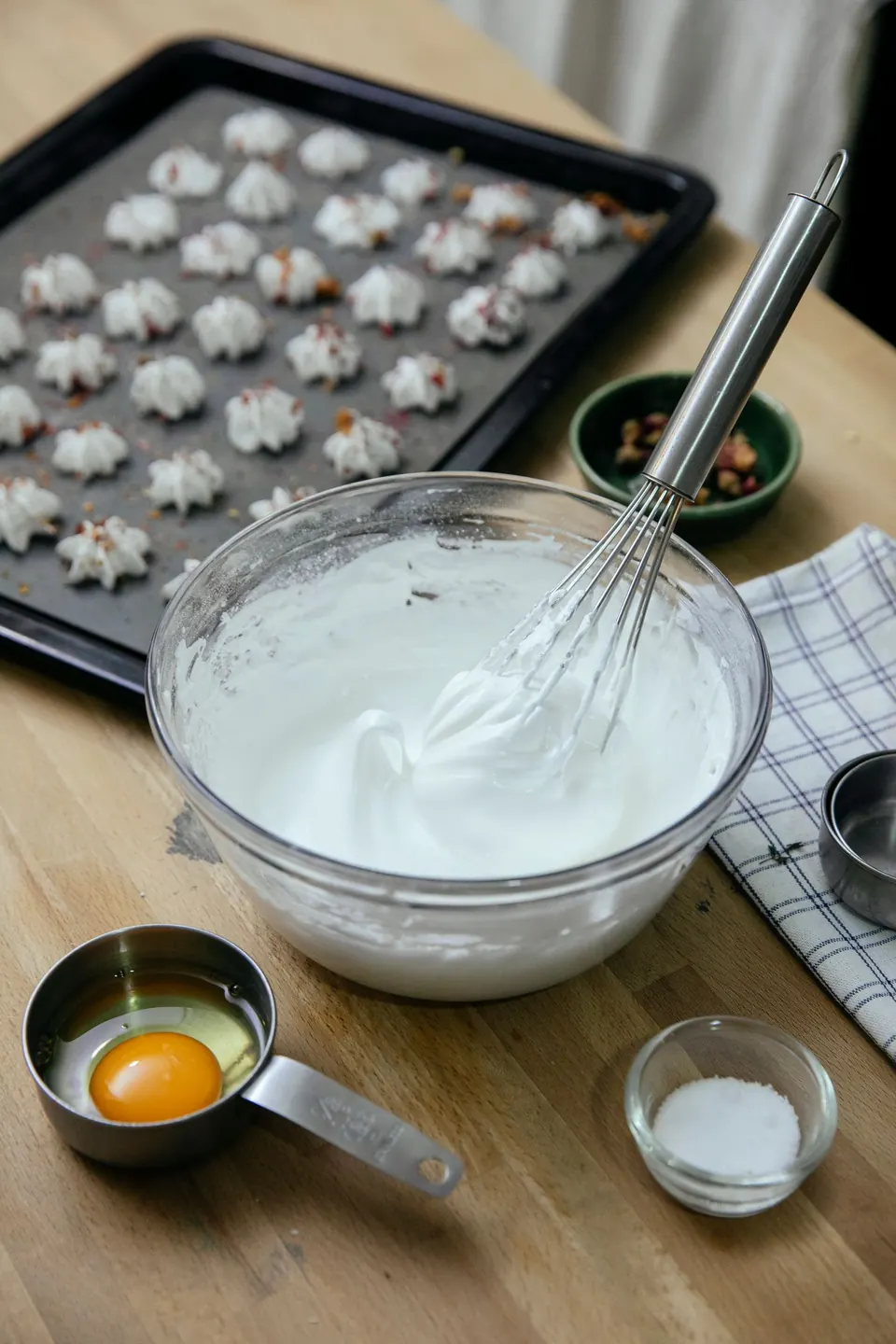
Quick breakfast ideas in 5 minutes
For mornings when you wake up late: every idea has protein, or makes it easy to add some.
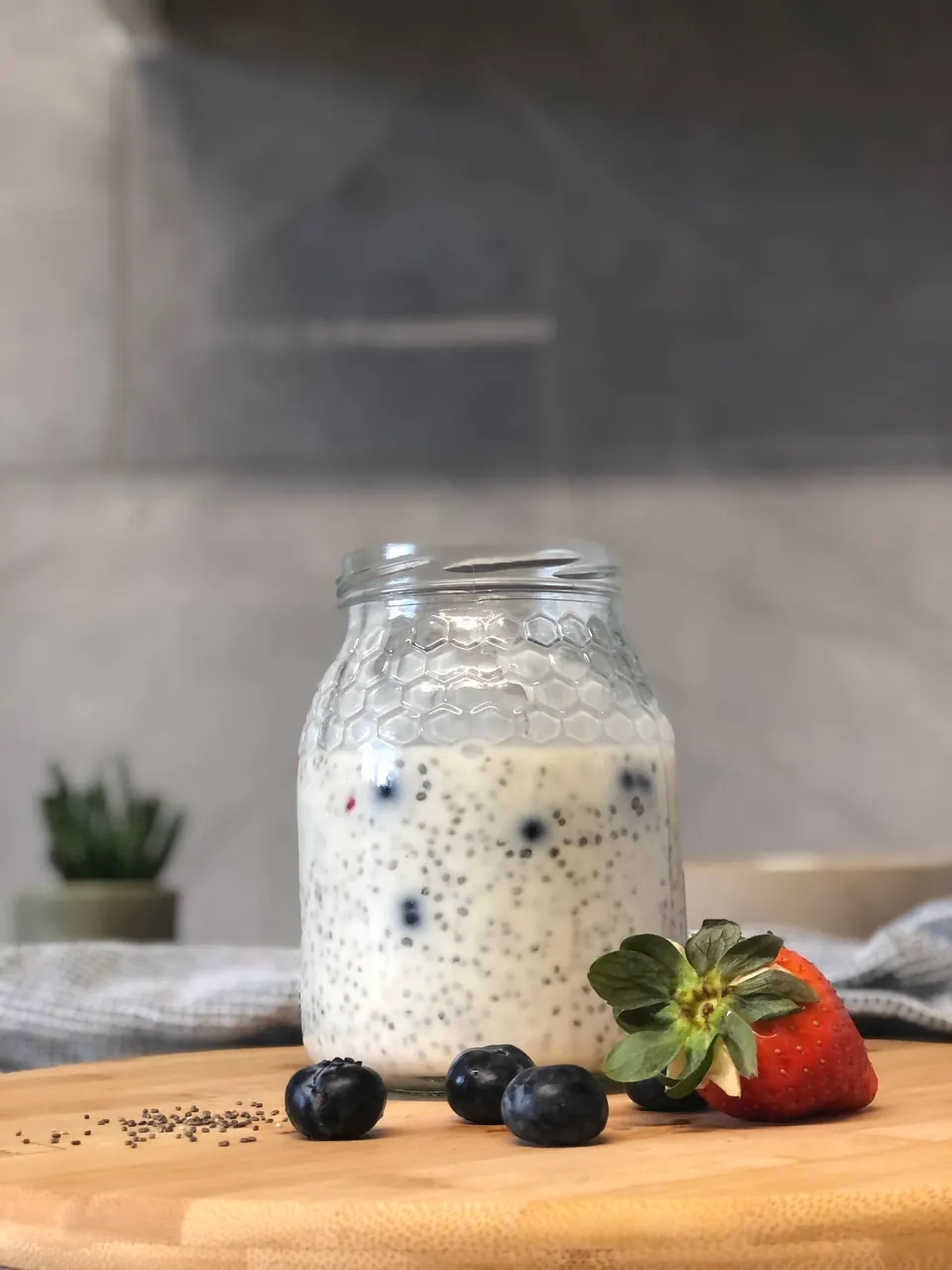
Overnight oats with chia
Make it the night before in a jar, then just grab it on your way out.
Photo: Akosua Gabriel on Pexels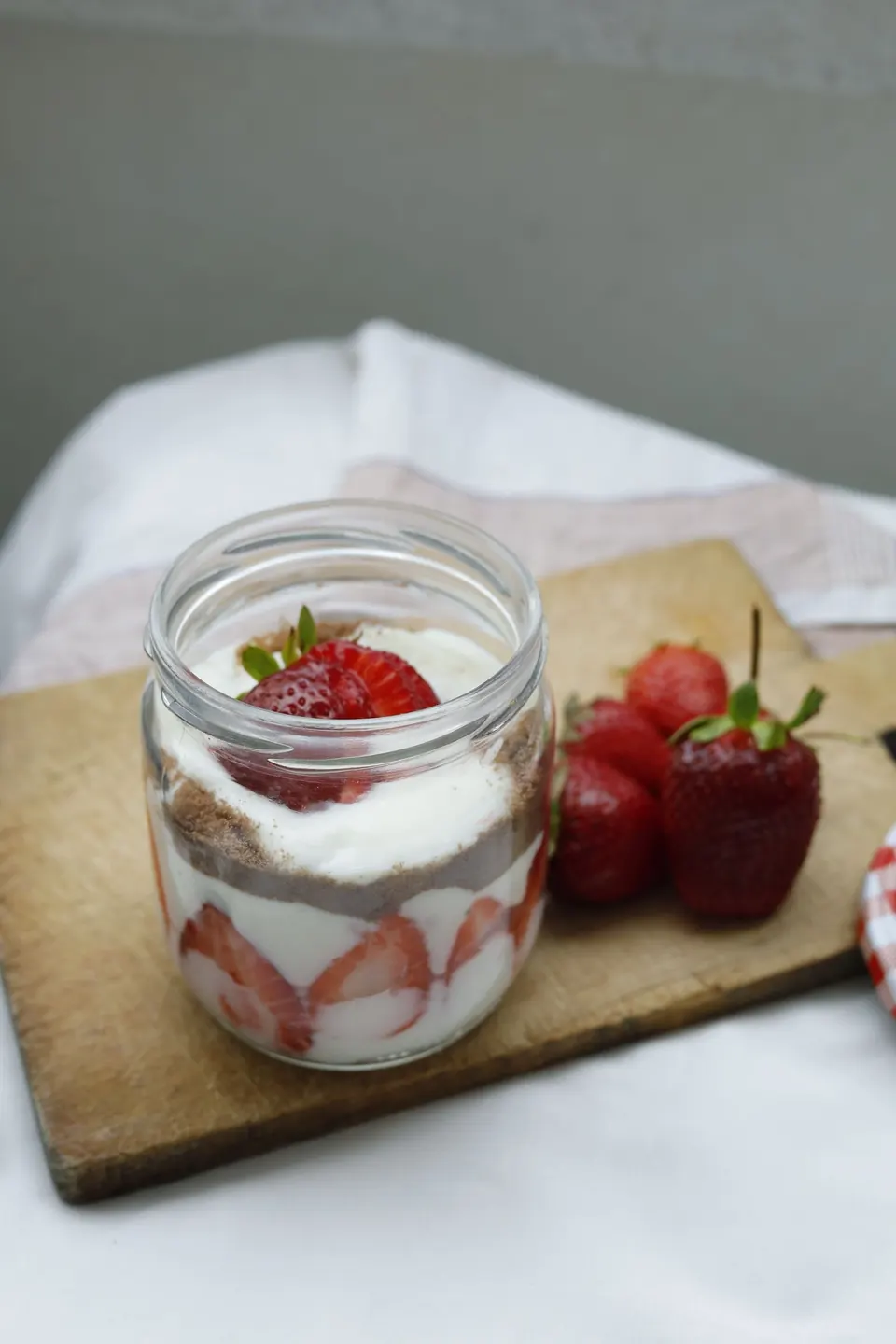
Yogurt with strawberries
Greek yogurt with chopped strawberries: high in protein, with sweetness from the fruit itself.
Photo: Esra Erdem on Pexels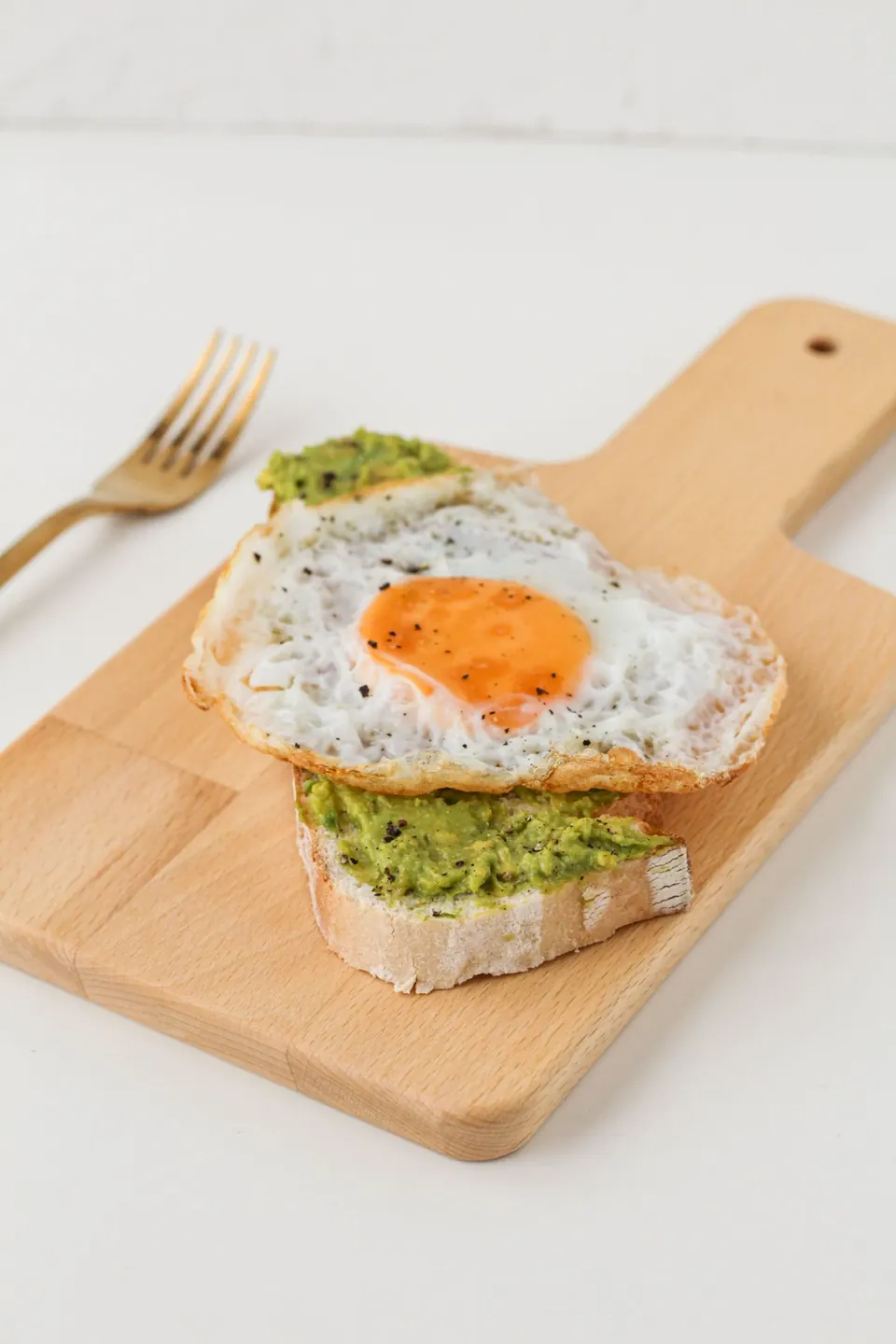
Avocado toast with egg
A quarter of an avocado is enough, and the egg on top rounds out the protein.
Photo: Fer Martinez Gonzalez on Pexels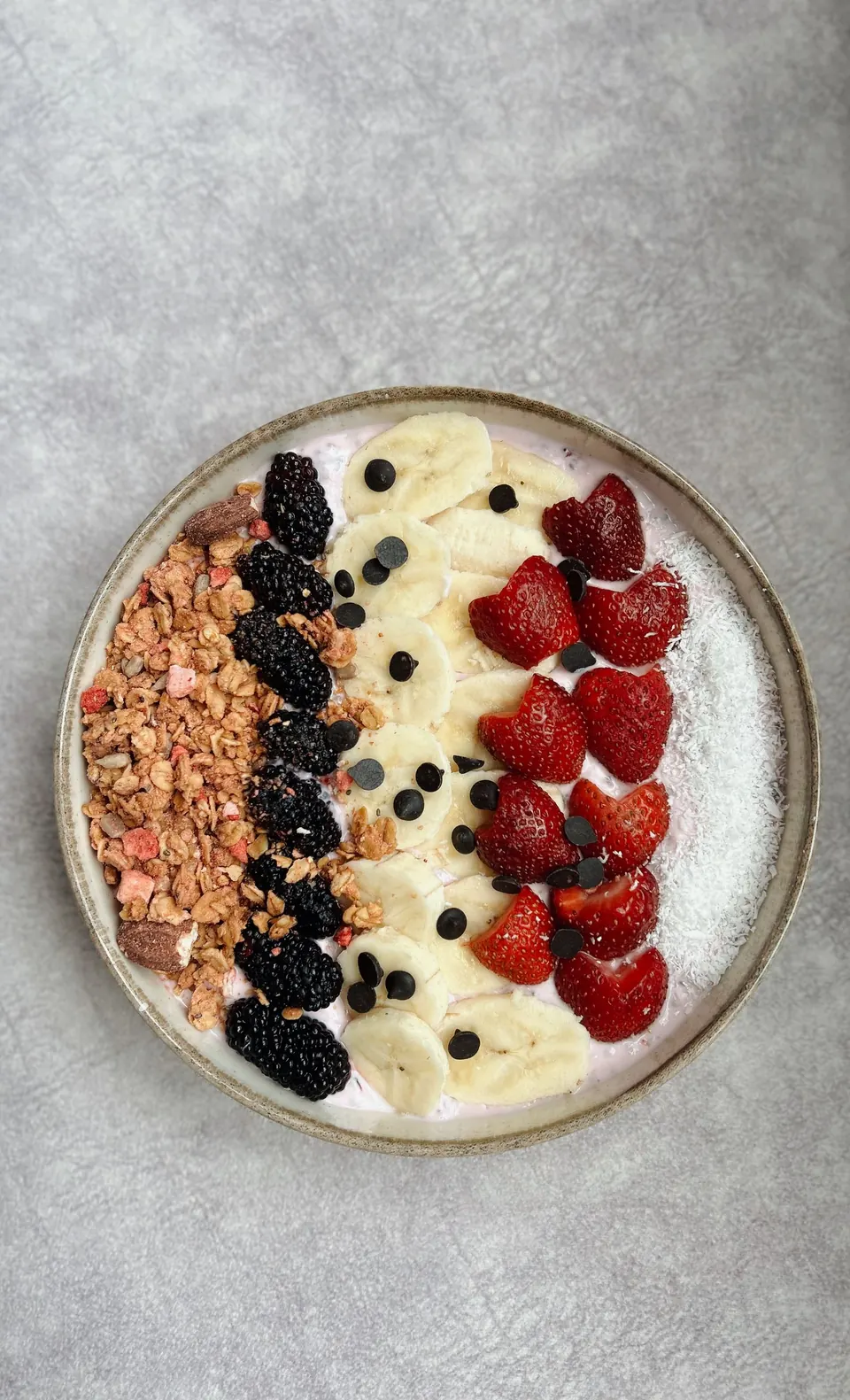
Fruit smoothie bowl
Stir in 2 tablespoons of Greek yogurt so it isn't all fruit.
Photo: Dursen on Pexels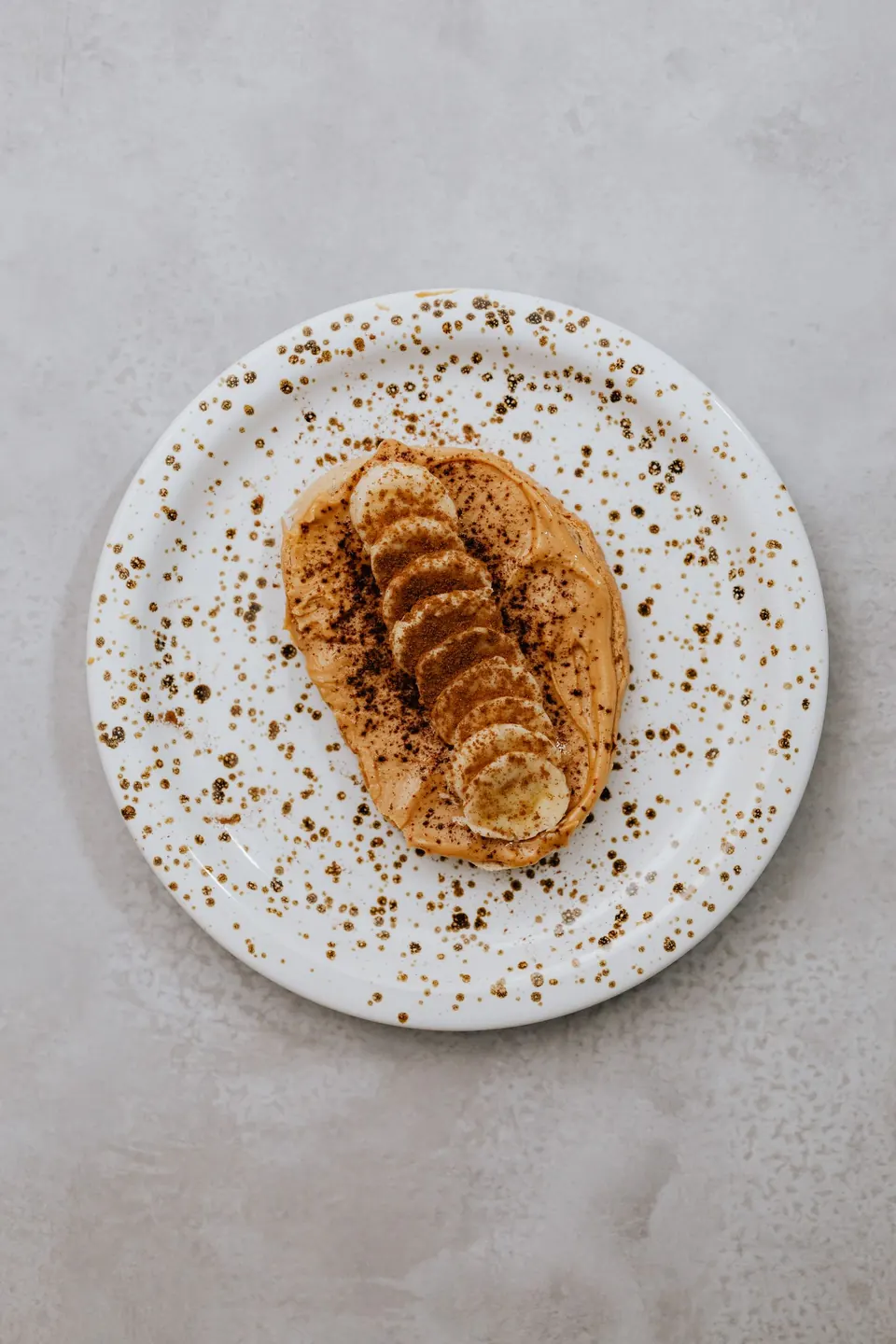
Peanut butter and banana toast
Measure peanut butter with a spoon, not a knife; one tablespoon is 94 calories.
Photo: https://kaboompics.com/ on Pexels
Calories in breakfast toppings
| Food | Calories | Proteing | Fatg |
|---|---|---|---|
| Avocado1/4 fruit, 50 gUSDA | 80 | 1 | 7.3 |
| Peanut butter1 tbsp, 16 gUSDA | 94 | 3.5 | 7.9 |
| Olive oil1 tbsp, 13.5 gUSDA | 119 | 0 | 13.5 |
| Honey1 tbsp, 21 gUSDA | 64 | 0.1 | 0 |
| Banana1 medium, 118 gUSDA | 105 | 1.3 | 0.4 |
| Strawberries1 cup, 152 gUSDA | 49 | 1 | 0.5 |
The olive oil on your ful and hummus counts: one tablespoon is 119 calories.
Egg dishes for every day of the week
Eggs are the cheapest, quickest protein around, and these ideas keep them from getting old.
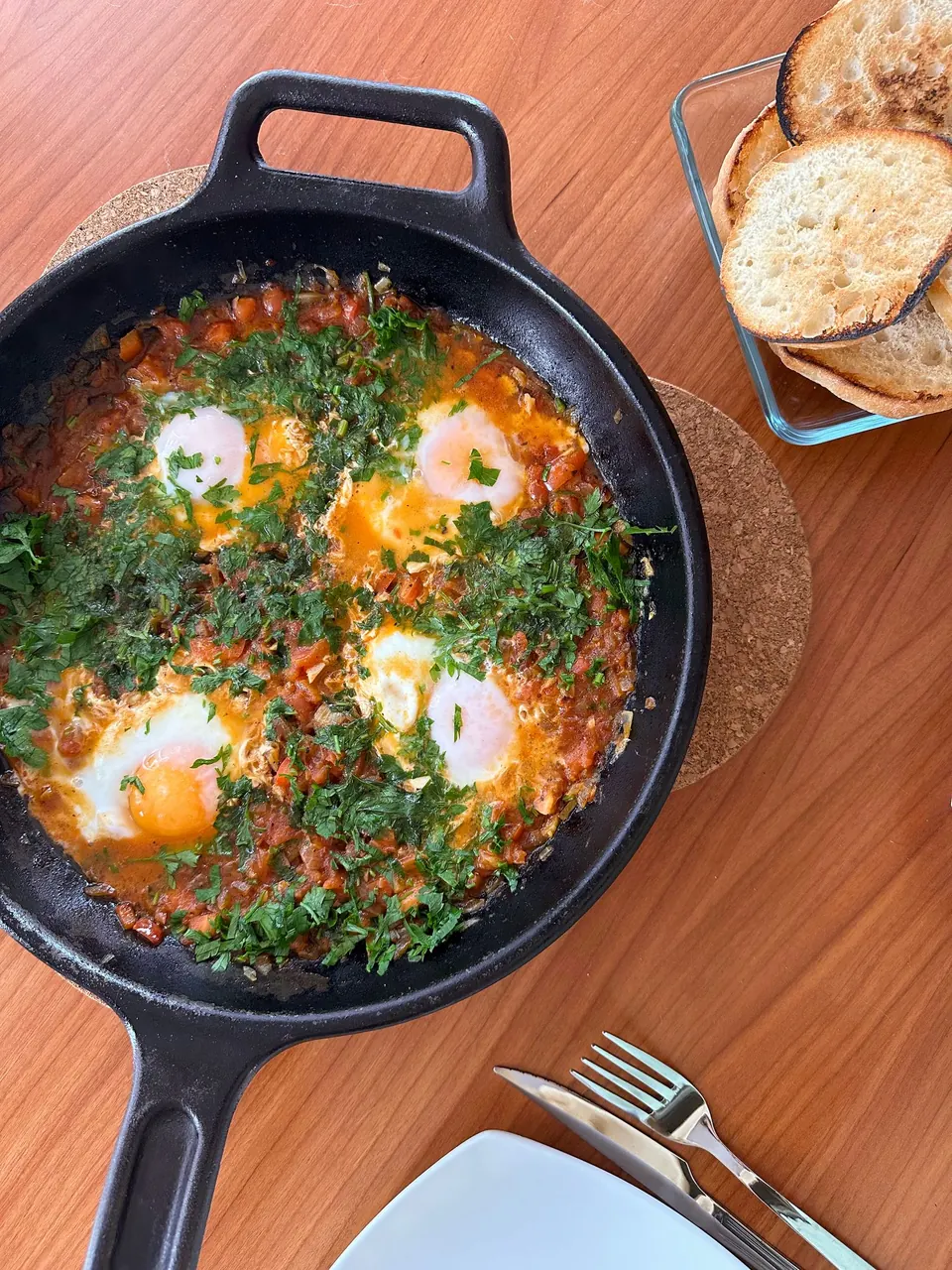
Tomato shakshuka
Tomatoes add volume and flavor; pair it with whole-wheat bread instead of samoli, the soft white roll.
Photo: Lena Netkach on Pexels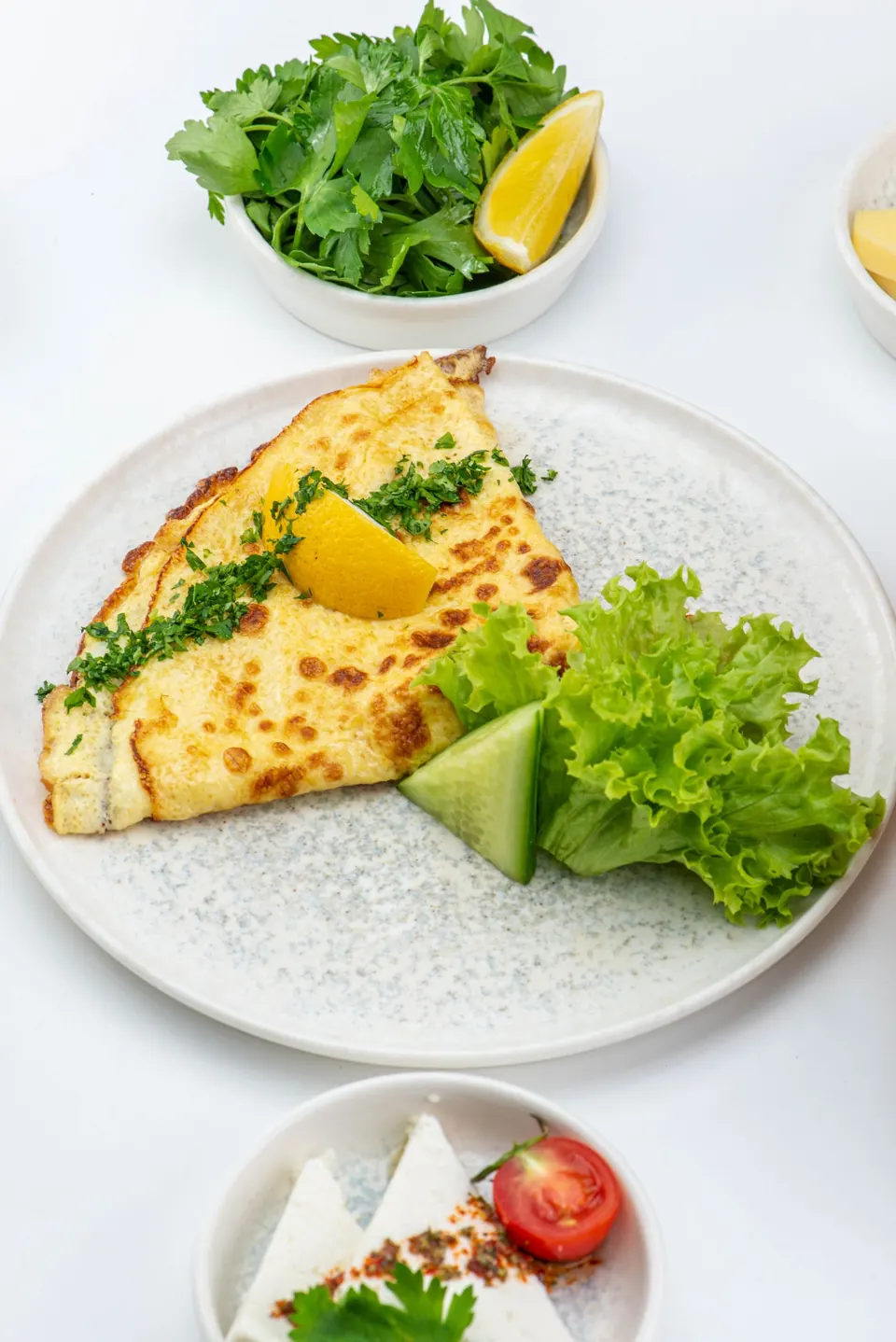
Omelet with salad
One whole egg and two whites, with a side salad to fill out the plate.
Photo: Павел Хлыстунов on Pexels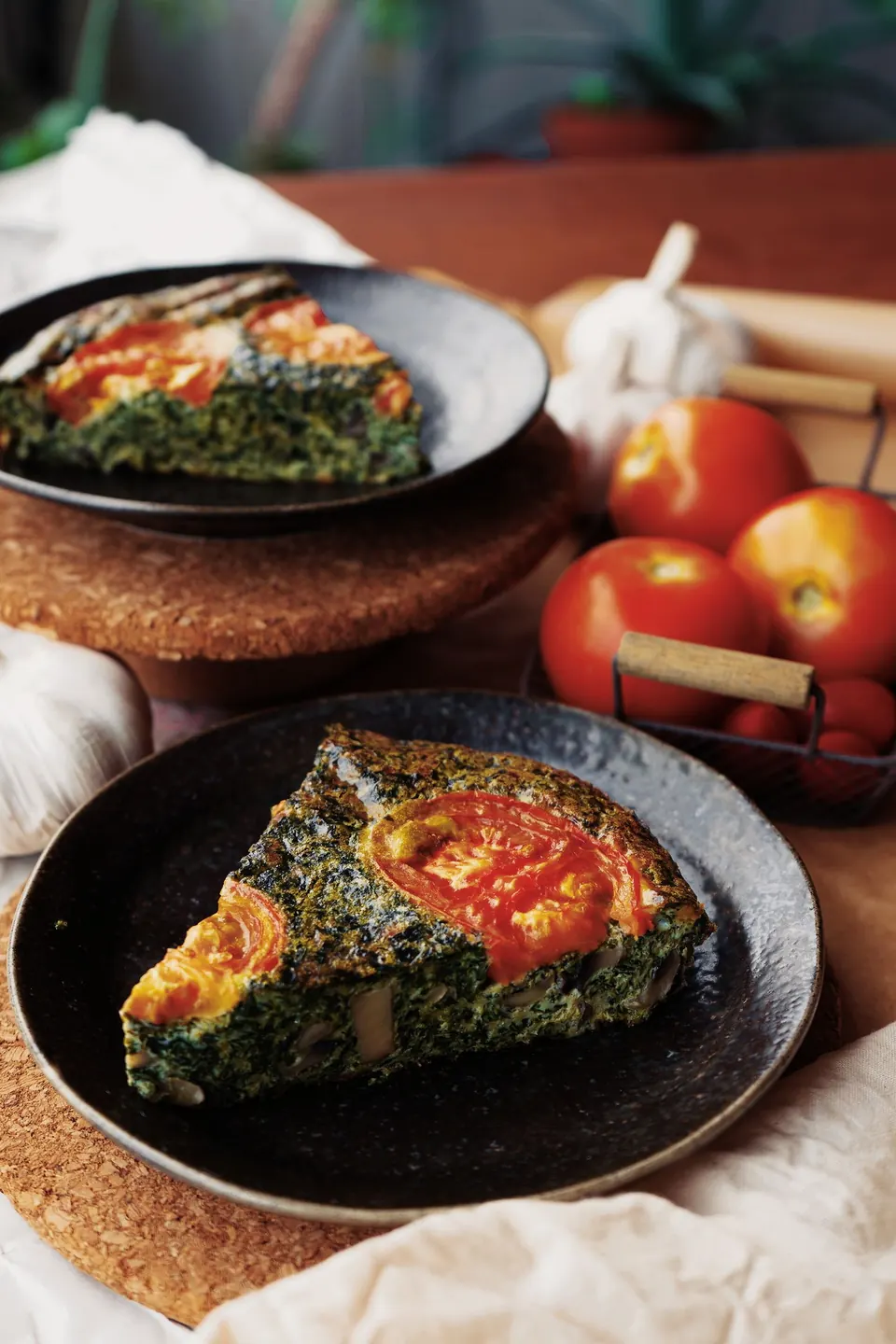
Spinach frittata
Bake it once and split it over 3 days; it's good cold too.
Photo: cole yap on Pexels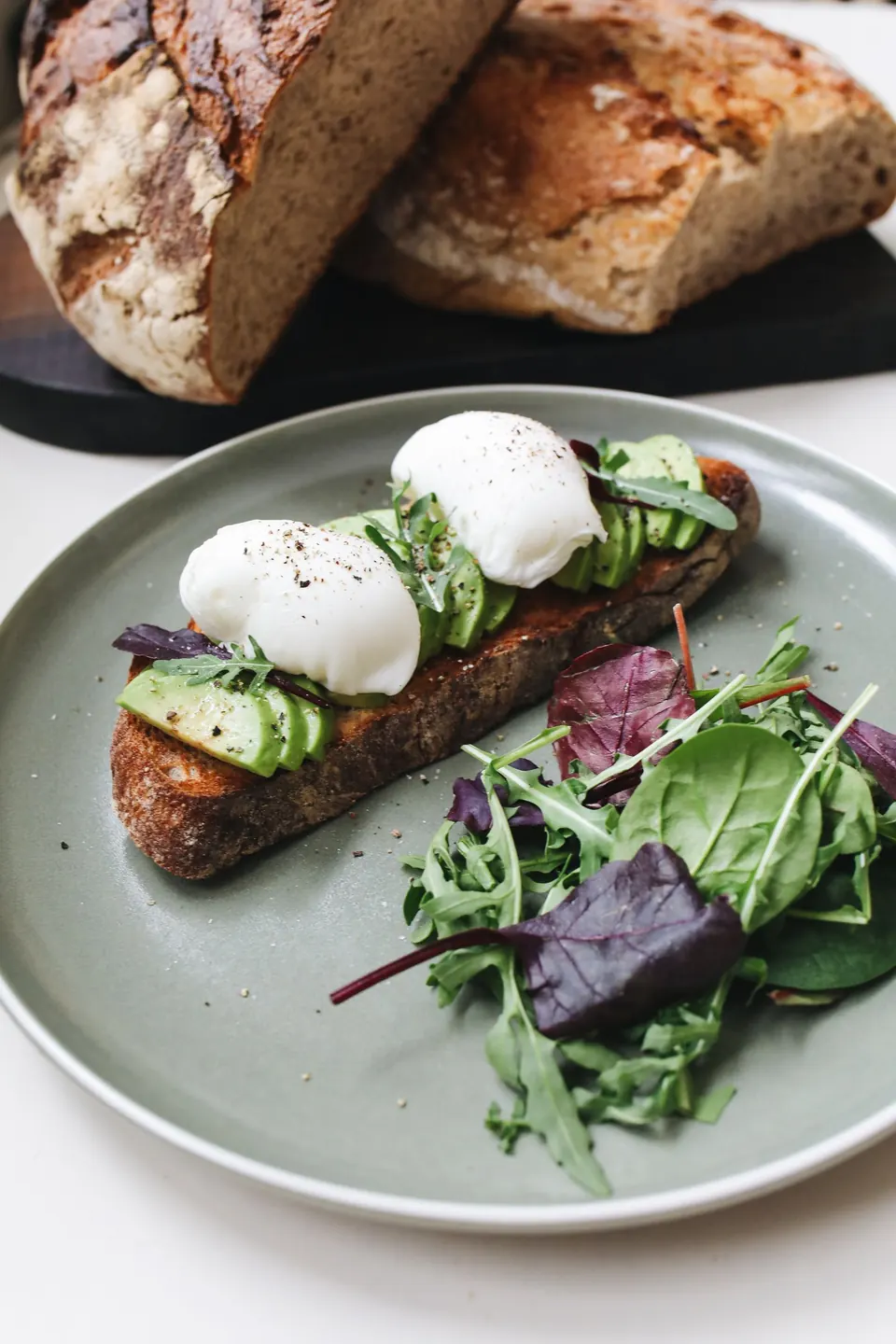
Poached eggs with salad
Cooked in water with no oil, so it stays close to a boiled egg in calories.
Photo: Polina Tankilevitch on Pexels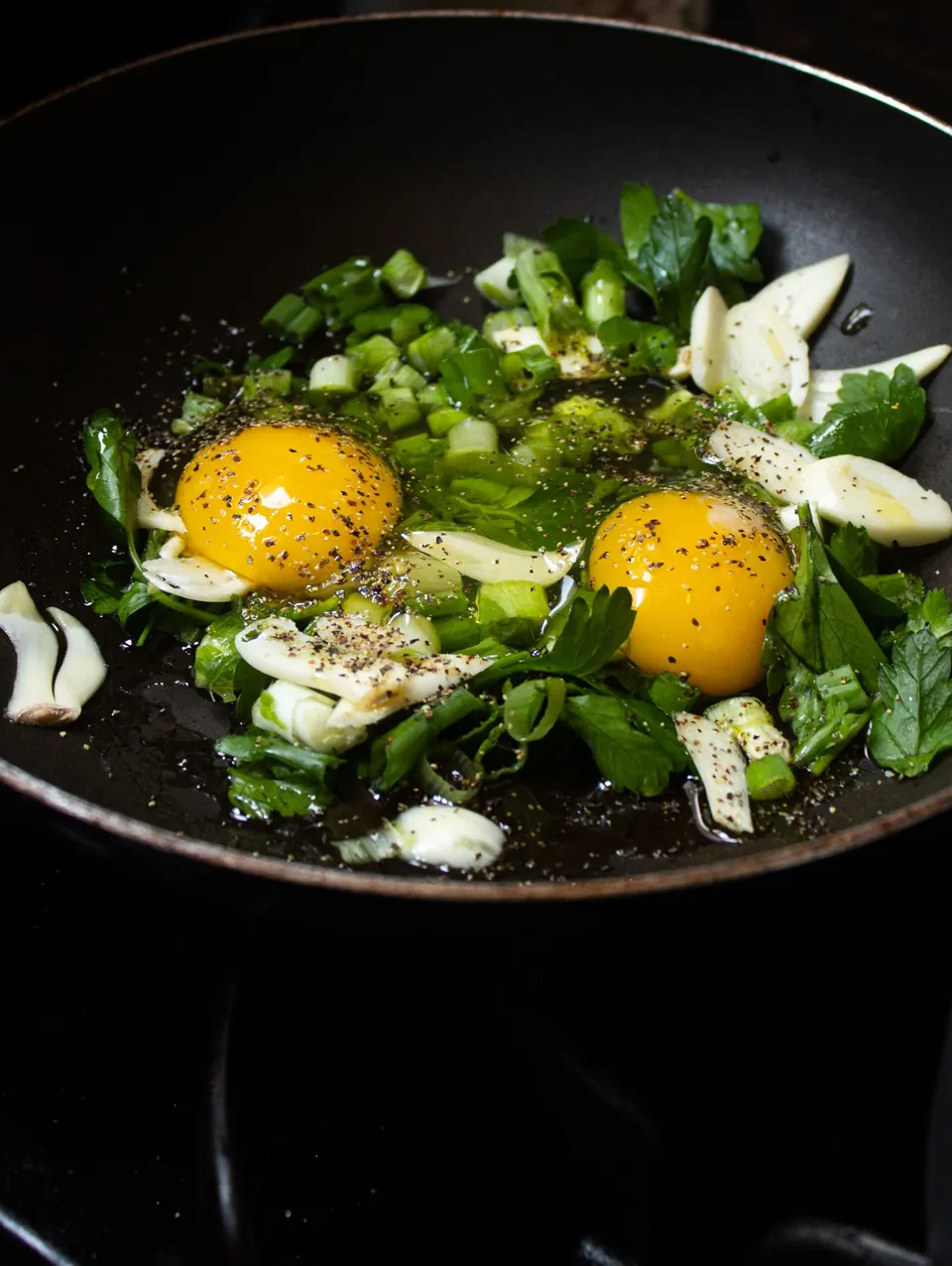
Eggs with green onion
Green onion and peppers, and one teaspoon of oil is enough for the whole pan.
Photo: Phebean Davies on Pexels
How to make your breakfast more filling
- Have at least one protein source at every breakfast: eggs, ful, Greek yogurt or cottage cheese.
- If you love labneh and hummus, enjoy them, but treat them as extras next to the protein, not instead of it.
- Boil 6 eggs on Sunday; that's two eggs a day for 3 days.
- Add an extra white to a whole egg instead of a third egg: more protein, fewer calories.
- Squeeze lemon over your ful, and add tomato or bell pepper on the side.
- Measure olive oil and honey with a spoon instead of pouring straight from the bottle.
Common questions
How much protein is in one egg?
A large egg has 6.3 g of protein and about 72 calories: 3.6 g of the protein is in the white and 2.7 g in the yolk.
Are egg whites better than whole eggs?
Whites are lighter, at 17 calories each, but the yolk holds most of the egg's iron, calcium and vitamins. A whole egg plus extra whites is a good middle ground, unless your doctor has advised otherwise.
How much protein is in a cup of ful (fava beans)?
A cup of canned fava beans has 14 g of protein, 182 calories and 9.5 g of fiber.
Does labneh have protein?
It does, but usually less than you'd expect, and the amount varies by brand; USDA has no entry for it. Read the label, and if you want more protein with the same texture, try Greek yogurt.
What should I eat for breakfast to stay full until lunch?
A breakfast with protein and fiber, like eggs with whole-wheat bread, ful, or Greek yogurt with fruit. A tub of nonfat Greek yogurt with a cup of strawberries has 149 calories and 18.4 g of protein.
Sources
- USDA FoodData Central, U.S. Department of Agriculture. Values per 100 g, computed at the portion weight shown:
- Yogurt, Greek, plain, nonfat (Includes foods for USDA's Food Distribution Program) FDC 170894
- Yogurt, Greek, plain, whole milk FDC 171304
- Broadbeans (fava beans), mature seeds, canned FDC 173754
- Cheese, cottage, lowfat, 1% milkfat FDC 173417
- Egg, whole, cooked, hard-boiled FDC 173424
- Cereals, oats, regular and quick, not fortified, dry FDC 173904
- Cheese, feta FDC 173420
- Bread, whole-wheat, commercially prepared FDC 172688
- Hummus, commercial FDC 174289
- Egg, whole, raw, fresh FDC 171287
- Egg, white, raw, fresh FDC 172183
- Egg, yolk, raw, fresh FDC 172184
- Egg, whole, cooked, scrambled FDC 172187
- Egg, whole, cooked, fried FDC 173423
- Avocados, raw, all commercial varieties FDC 171705
- Peanut Butter, smooth (Includes foods for USDA's Food Distribution Program) FDC 174294
- Oil, olive, salad or cooking FDC 171413
- Honey FDC 169640
- Bananas, raw FDC 173944
- Strawberries, raw FDC 167762
- Iron: Fact Sheet for Health Professionals, NIH Office of Dietary Supplements.
- Calcium: Fact Sheet for Health Professionals, NIH Office of Dietary Supplements.
Numbers are computed from USDA per-100 g values at the weight in each table, and rounded. Real food varies by recipe and brand.