Calories in Cheese, Yogurt and Laban, Plus Protein and Calcium
Not all cheese is the same, and neither is yogurt. Here's what each serving gives you in calories, protein and calcium.
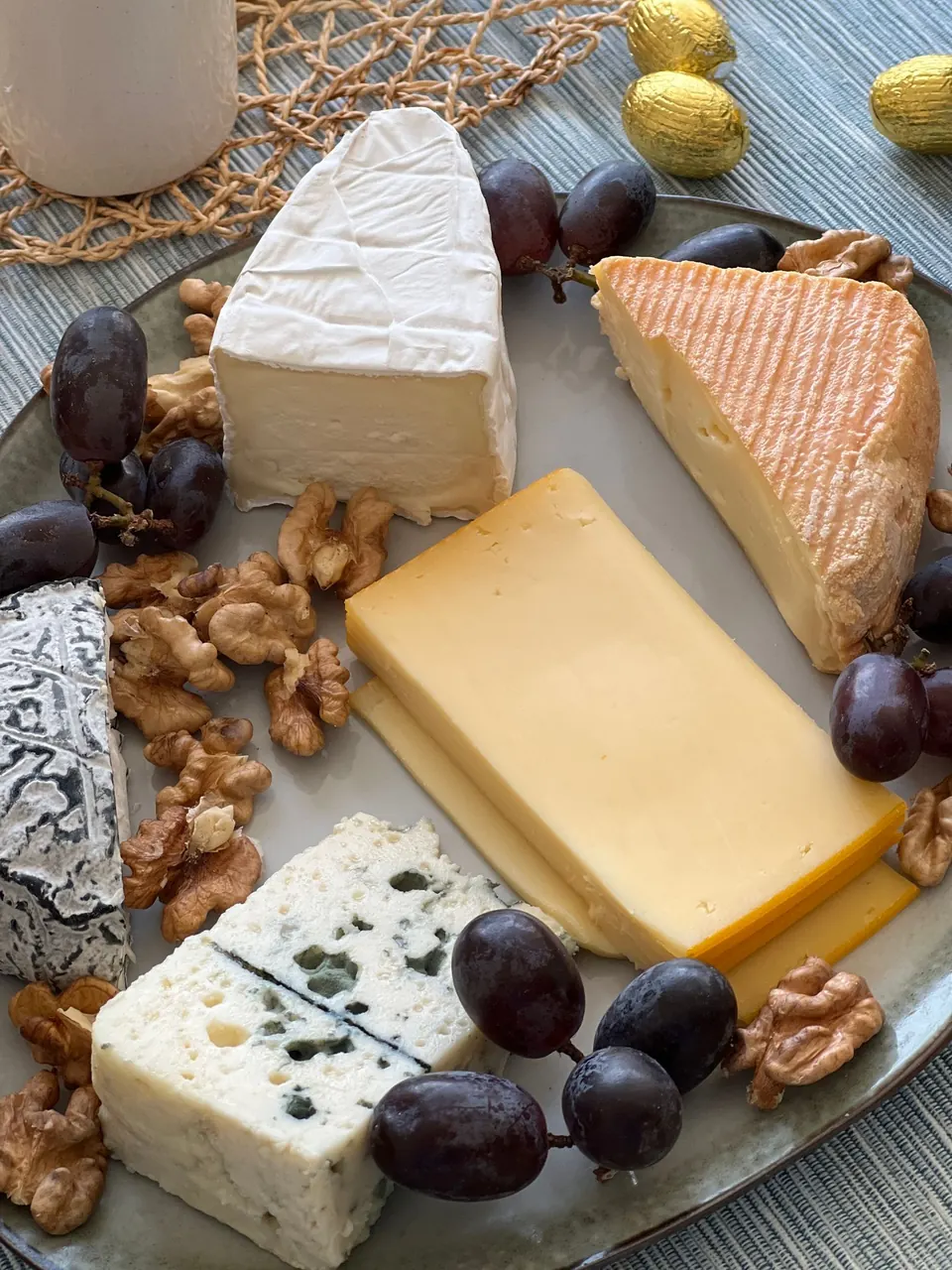
Cheese, yogurt and laban (the tangy cultured milk Saudis drink with meals) are on our tables almost every day: cheese at breakfast, yogurt with lunch, a glass of laban with kabsa, the spiced rice dish. But few of us know that a slice of cheddar and a slice of mozzarella are quite different in calories, that Greek yogurt has far more protein than regular yogurt, or that these foods are the easiest way to get the calcium your body needs.
In this guide we gathered the numbers for cheese and dairy from US Department of Agriculture (USDA) data in realistic portions, not just per 100 g. You'll also find a full day of calcium from dairy, plus toast and weekend breakfast ideas that work with the numbers. The goal isn't to give up cheese. It's to pick the kind that suits you, knowing what's in it.
In this guide 10
- How much calcium do women need, and why does it matter?
- How many calories in cheese? Cheddar, mozzarella and cottage cheese
- Cheese calories per serving
- Yogurt, laban or Greek yogurt?
- Calories in yogurt, laban and milk
- Quick toast ideas with cheese and protein
- How many calories in toast, depending on the topping?
- Calories in toast toppings and weekend breakfast
- Weekend breakfast ideas for the family
- Easy ways to get enough calcium
How much calcium do women need, and why does it matter?
Calcium builds bone and keeps it strong. Women aged 19 to 50 need 1000 mg of calcium a day, and from age 51 that rises to 1200 mg1. The reason is that bone starts losing density after menopause, so the requirement goes up to help slow that loss.
Milk, yogurt and cheese are among the richest natural sources of calcium, and there are others, like broccoli, sardines eaten with their bones, and fortified foods. So you don't need supplements to reach your target; most women can get there from food once they know how much each serving gives. If you have a health condition or you're pregnant, your doctor is the one to set your exact needs.
How many calories in cheese? Cheddar, mozzarella and cottage cheese
30 g of cheddar has 121 calories and 6.9 g of protein, while the same weight of part-skim mozzarella has 76 calories and 7.3 g of protein. So mozzarella gives you about the same protein for 45 fewer calories, plus more calcium: 235 mg versus 213 in cheddar.
30 g of feta has 80 calories and only 4.3 g of protein, and it's salty, so a small amount on a salad goes a long way. Half a cup of cottage cheese has 81 calories and 14 g of protein, the most protein for the fewest calories on the list, though its calcium is lower than the hard cheeses at 69 mg. A tablespoon of cream cheese has 51 calories and less than a gram of protein, so it's more fat than protein.
Halloumi has no USDA entry and its numbers vary by brand, so read the label on the pack. It's salty and rich, so 2 grilled slices with breakfast are plenty.
Cheese calories per serving
| Food | Calories | Proteing | Fatg | Calciummg |
|---|---|---|---|---|
| Cheddar1 piece, 30 gUSDA | 121 | 6.9 | 10 | 213 |
| Part-skim mozzarella1 piece, 30 gUSDA | 76 | 7.3 | 4.8 | 235 |
| Feta1 piece, 30 gUSDA | 80 | 4.3 | 6.5 | 148 |
| Low-fat cottage cheese1/2 cup, 113 gUSDA | 81 | 14 | 1.2 | 69 |
| Cream cheese1 tbsp, 14.5 gUSDA | 51 | 0.9 | 5 | 14 |
Cottage cheese and part-skim mozzarella give the most protein for the fewest calories. Mozzarella and cheddar are highest in calcium.
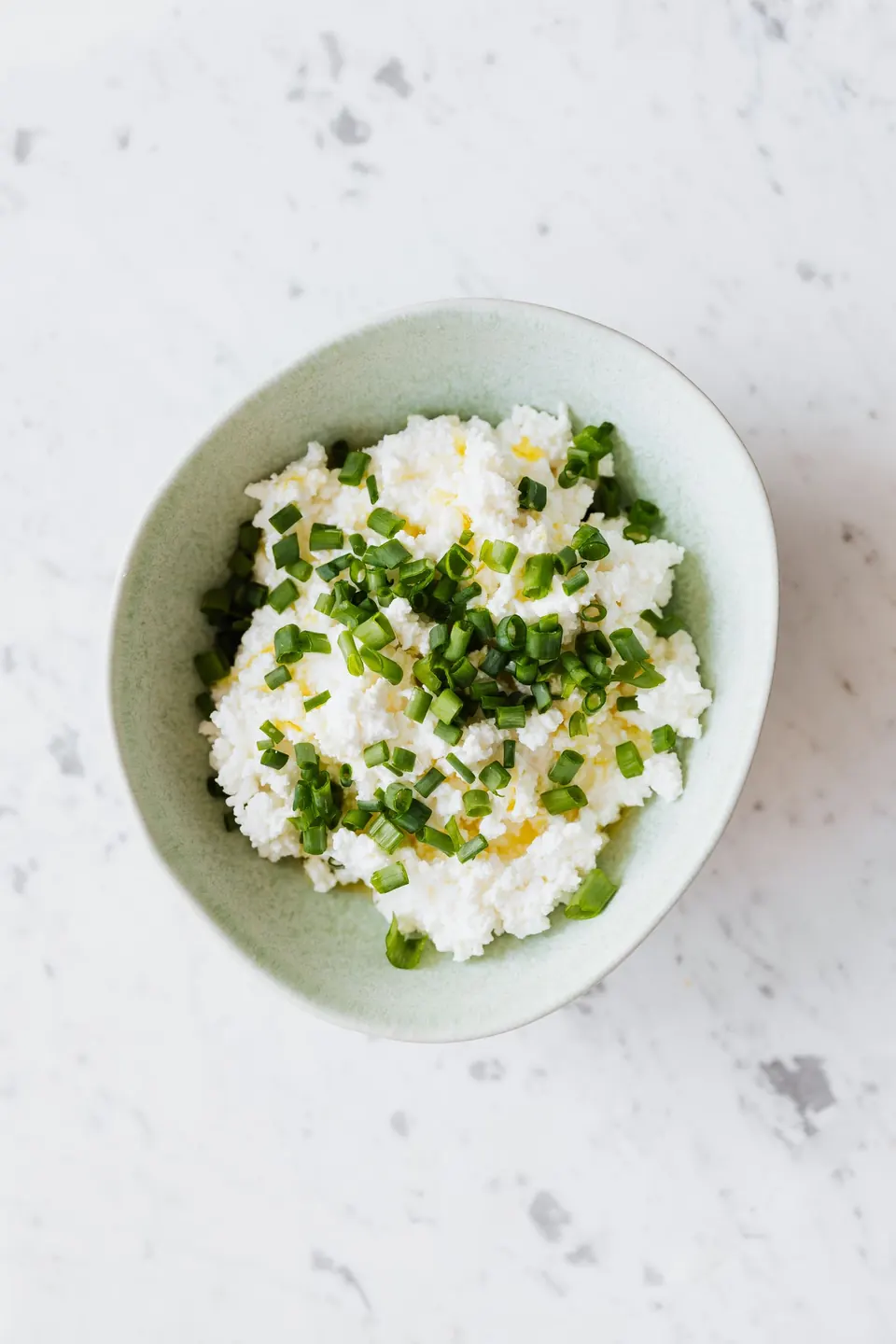
Yogurt, laban or Greek yogurt?
A cup of low-fat laban has 98 calories, 8.1 g of protein and 284 mg of calcium, so one cup covers 28% of your daily calcium if you're under 51. A cup of whole-milk yogurt has 149 calories, 8.5 g of protein and 296 mg of calcium.
A 170 g tub of nonfat Greek yogurt has just 100 calories and 17.3 g of protein, about double the protein in a cup of regular yogurt even though the tub is smaller. That's because Greek yogurt is strained: some of the liquid drains away and the protein becomes more concentrated. But straining takes some of the calcium with it, so the tub has 187 mg. The same tub of whole-milk Greek yogurt has 165 calories and 15.3 g of protein. For every breakfast staple ranked by protein, see our high-protein breakfast guide.
The simple takeaway: want protein? Greek yogurt. Want something light to drink with your meal that's high in calcium? Laban. And a cup of whole milk has 276 mg of calcium, if you like milk in your coffee or oats.
Calories in yogurt, laban and milk
| Food | Calories | Proteing | Sugarsg | Calciummg |
|---|---|---|---|---|
| Low-fat laban (cultured buttermilk)1 cup, 245 gUSDA | 98 | 8.1 | 13.1 | 284 |
| Whole-milk yogurt1 cup, 245 gUSDA | 149 | 8.5 | 11.4 | 296 |
| Nonfat Greek yogurt1 tub, 170 gUSDA | 100 | 17.3 | 5.5 | 187 |
| Whole-milk Greek yogurt1 tub, 170 gUSDA | 165 | 15.3 | 6.8 | 170 |
| Whole milk1 cup, 244 gUSDA | 149 | 7.7 | 12.3 | 276 |
The sugars here are natural milk sugar (lactose), not added sugar. Flavored yogurts have extra sugar, so read the label.
Quick toast ideas with cheese and protein
Whole-wheat bread with something on top, and you're done. Toast is the fastest breakfast or snack, and cheese, eggs and yogurt make it filling.
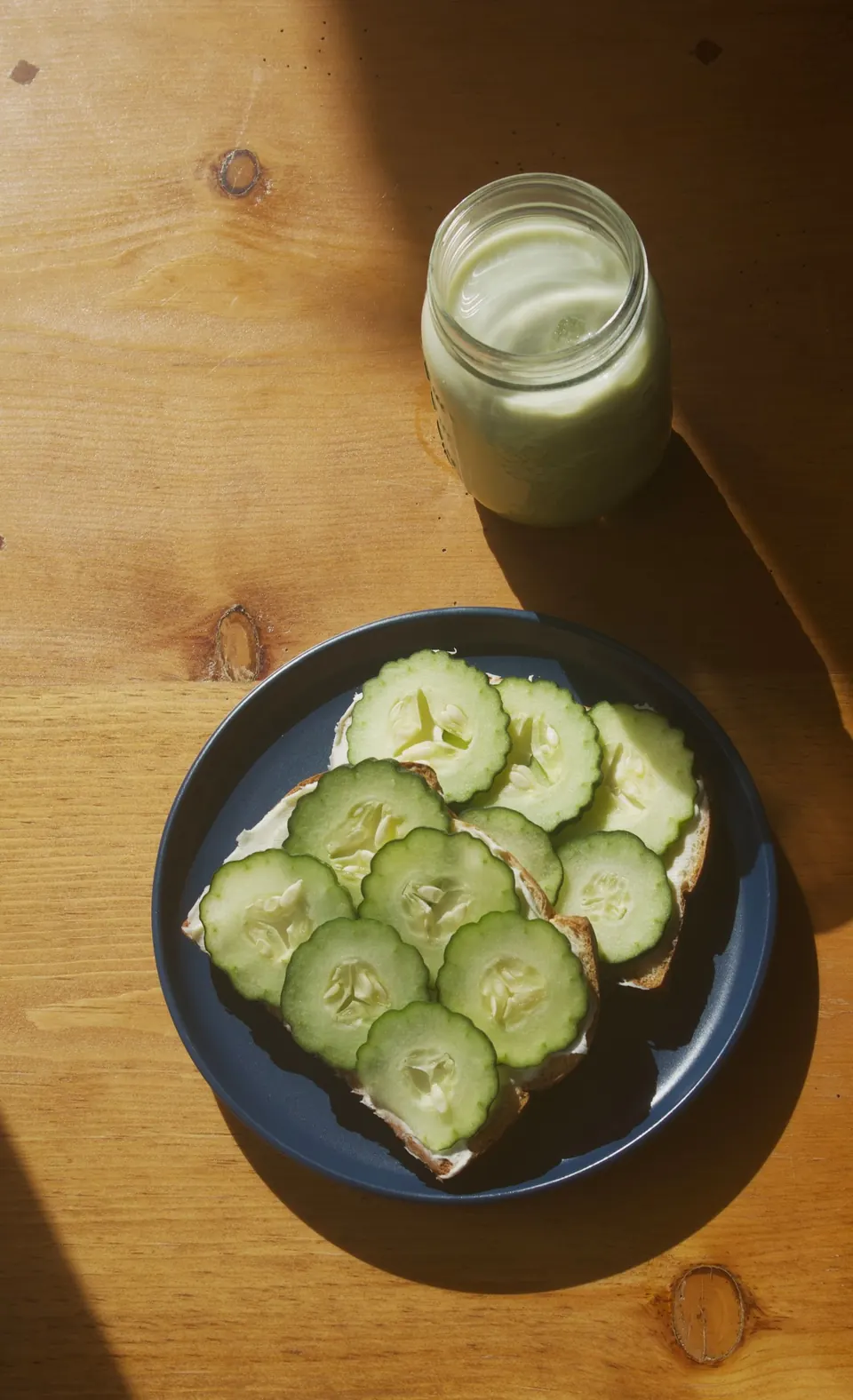
Labneh and cucumber
Labneh with sliced cucumber and a light drizzle of olive oil, a Saudi breakfast that never gets old.
Photo: Jennelope 🩷 on Pexels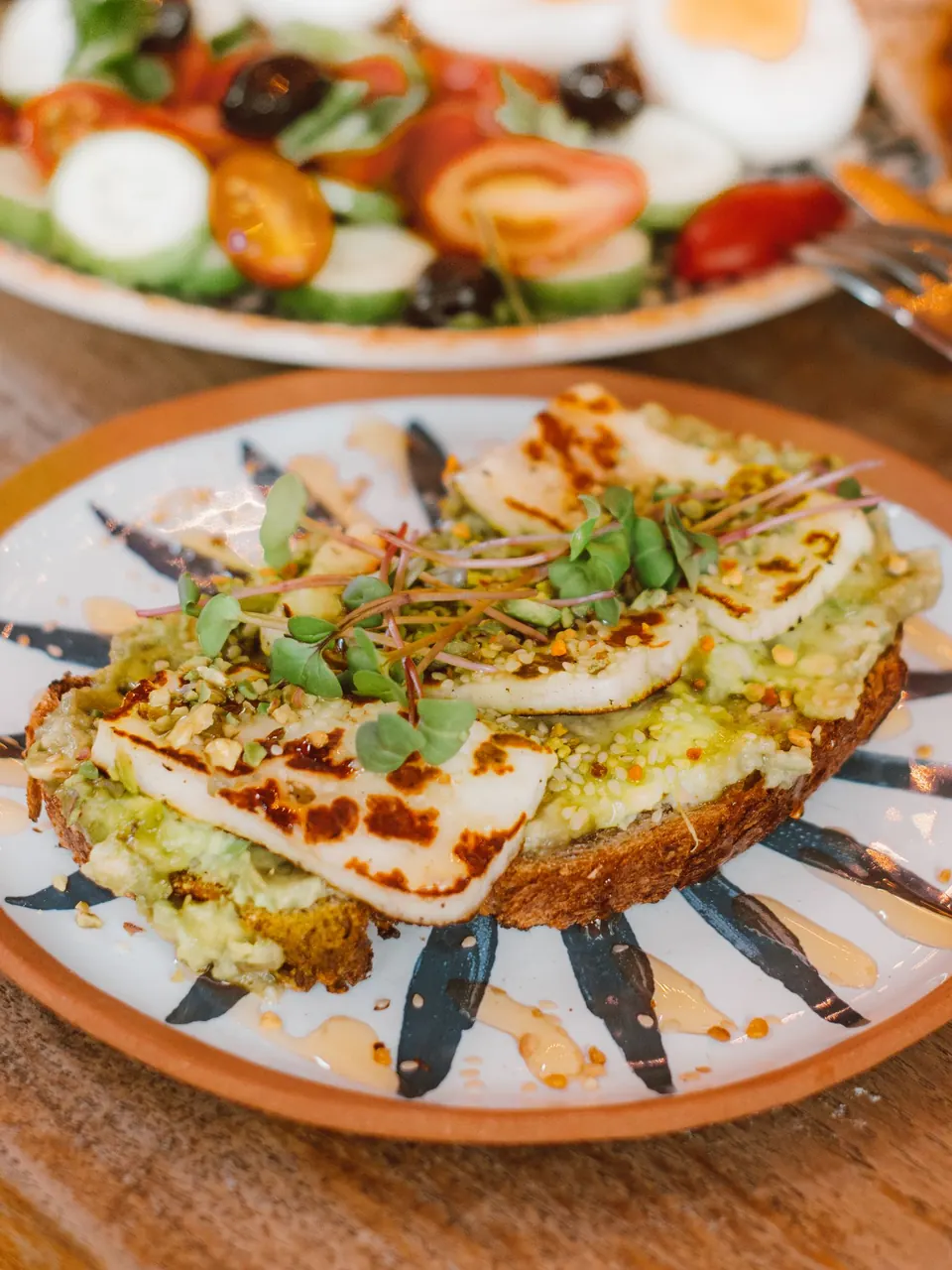
Halloumi and avocado
Two slices of grilled halloumi over mashed avocado; one piece of toast is enough.
Photo: ROMAN ODINTSOV on Pexels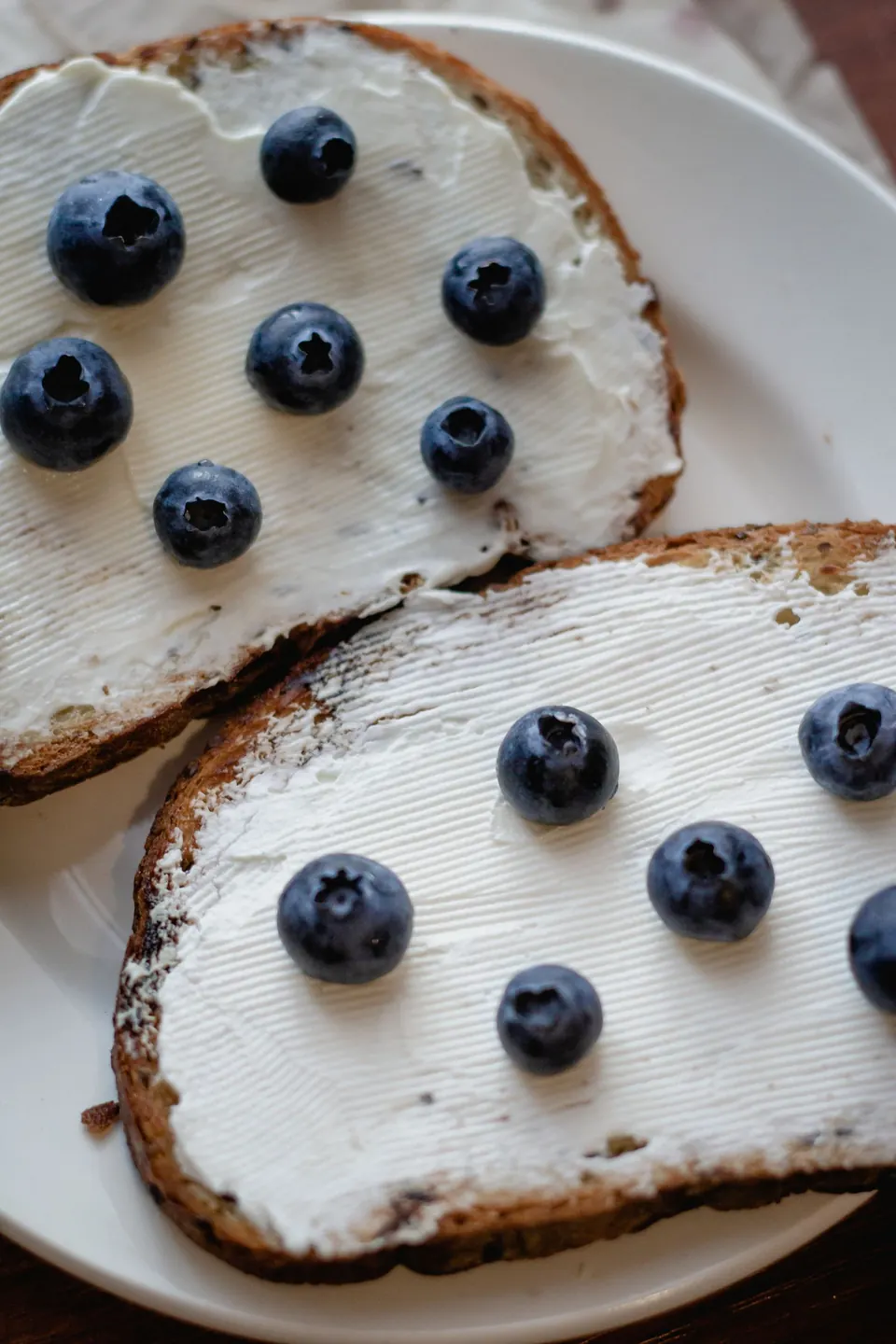
Cream cheese and blueberries
A thin layer of cream cheese with blueberries, sweet without any added sugar.
Photo: NastyaSensei on Pexels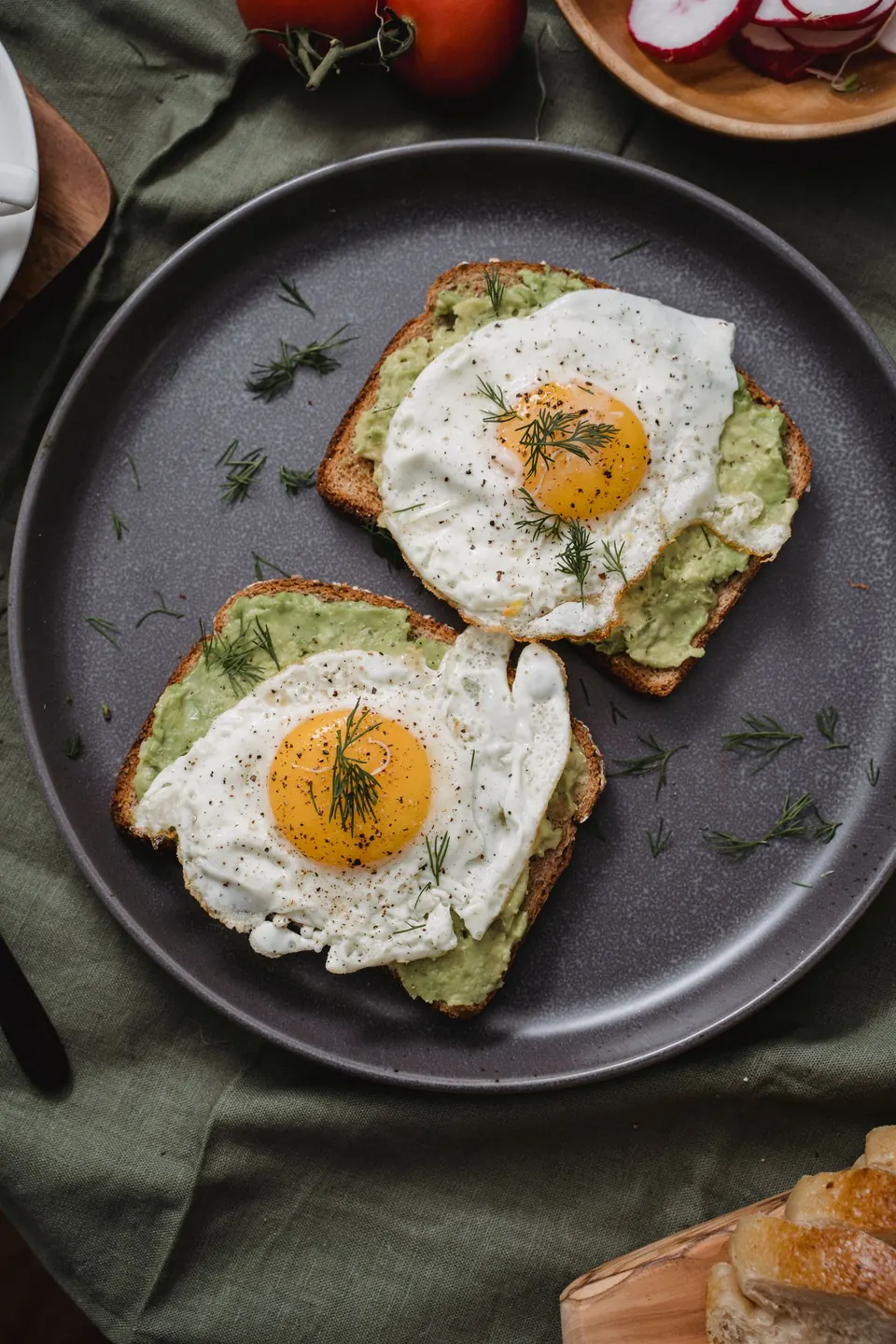
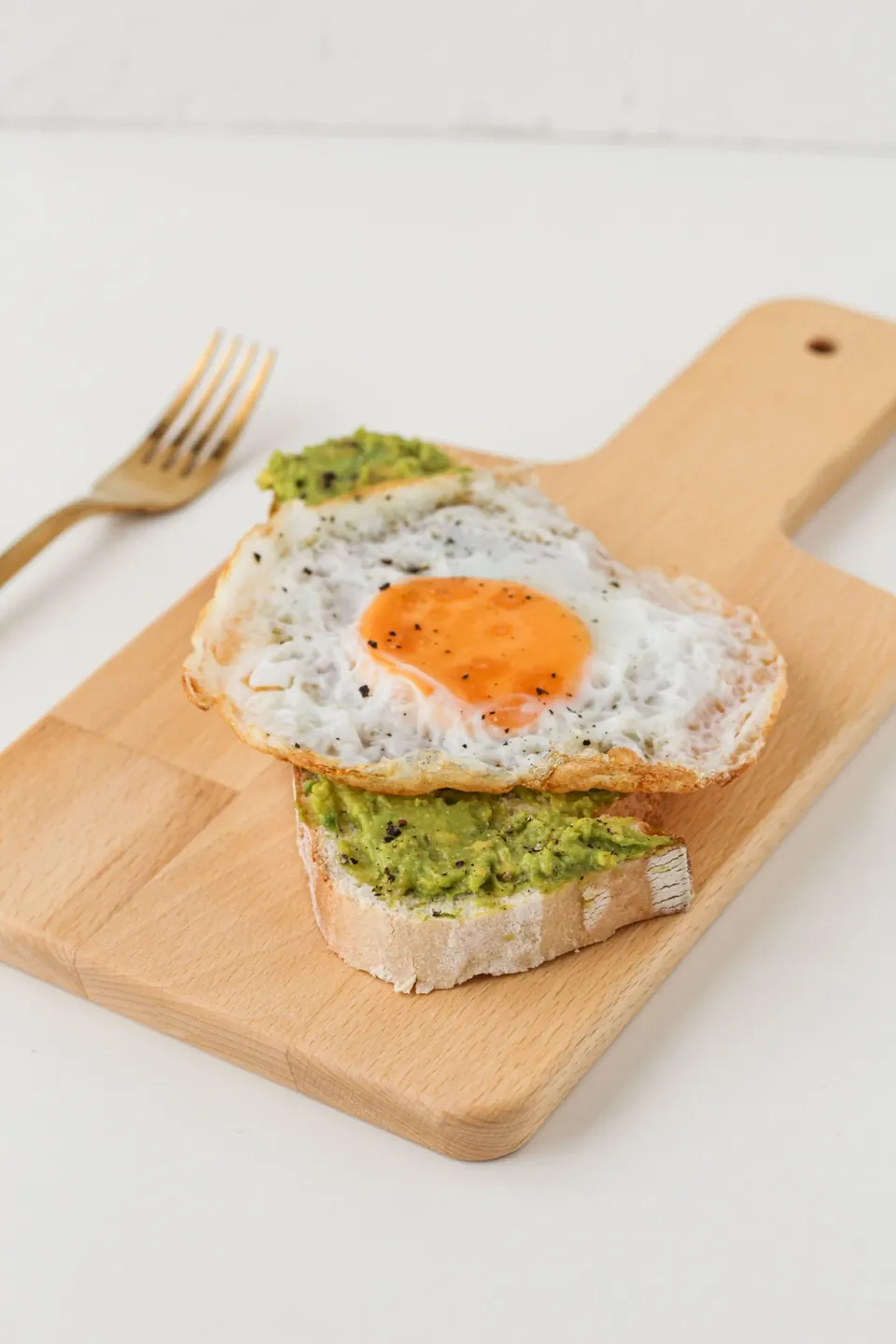
Egg and avocado
A sunny-side-up egg over a quarter avocado: protein and healthy fats to keep you full until noon.
Photo: Nicola Barts on Pexels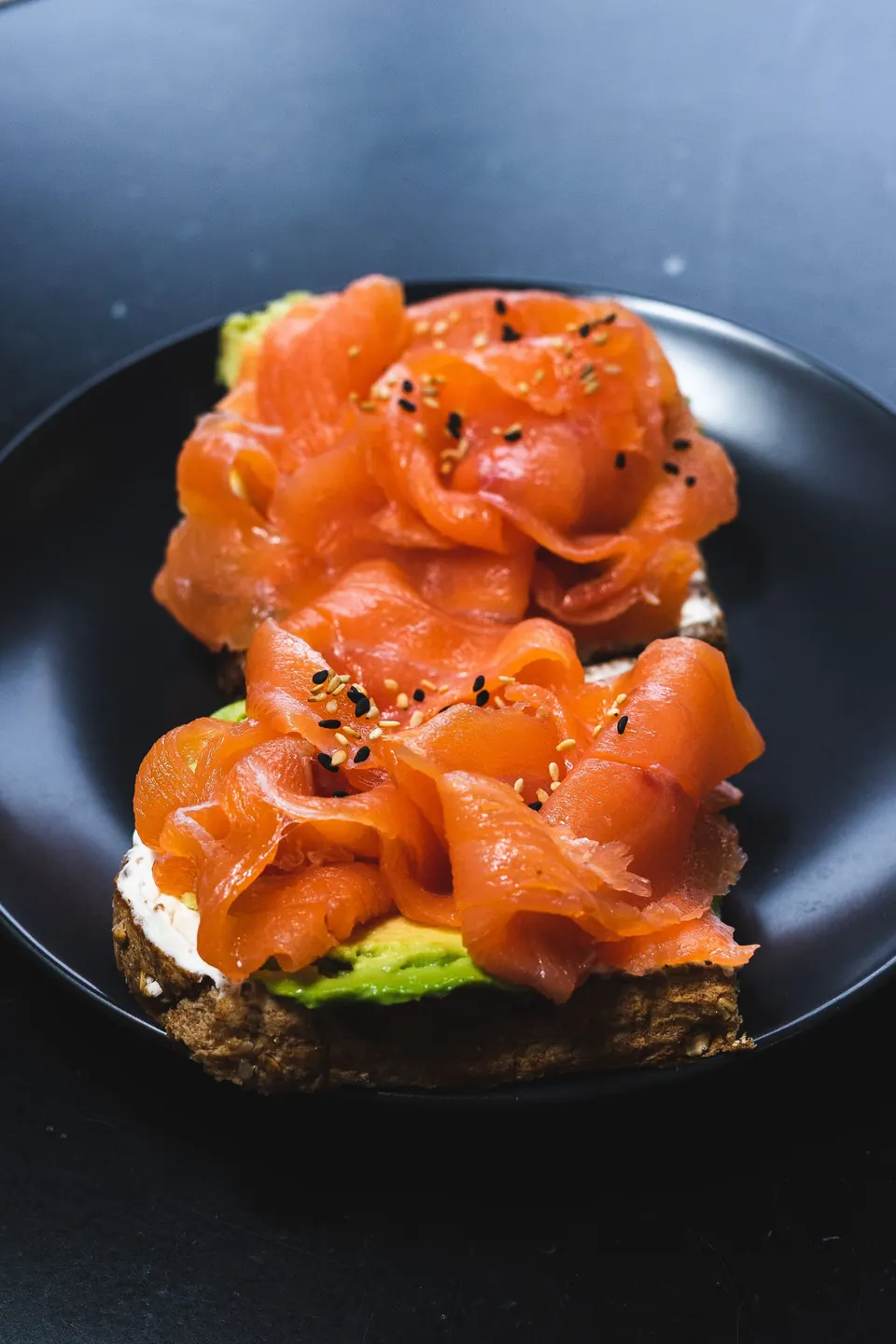
Smoked salmon and avocado
Smoked salmon is light and high in protein but salty, so go easy on the cheese with it.
Photo: Gonzalo Mendiola on Pexels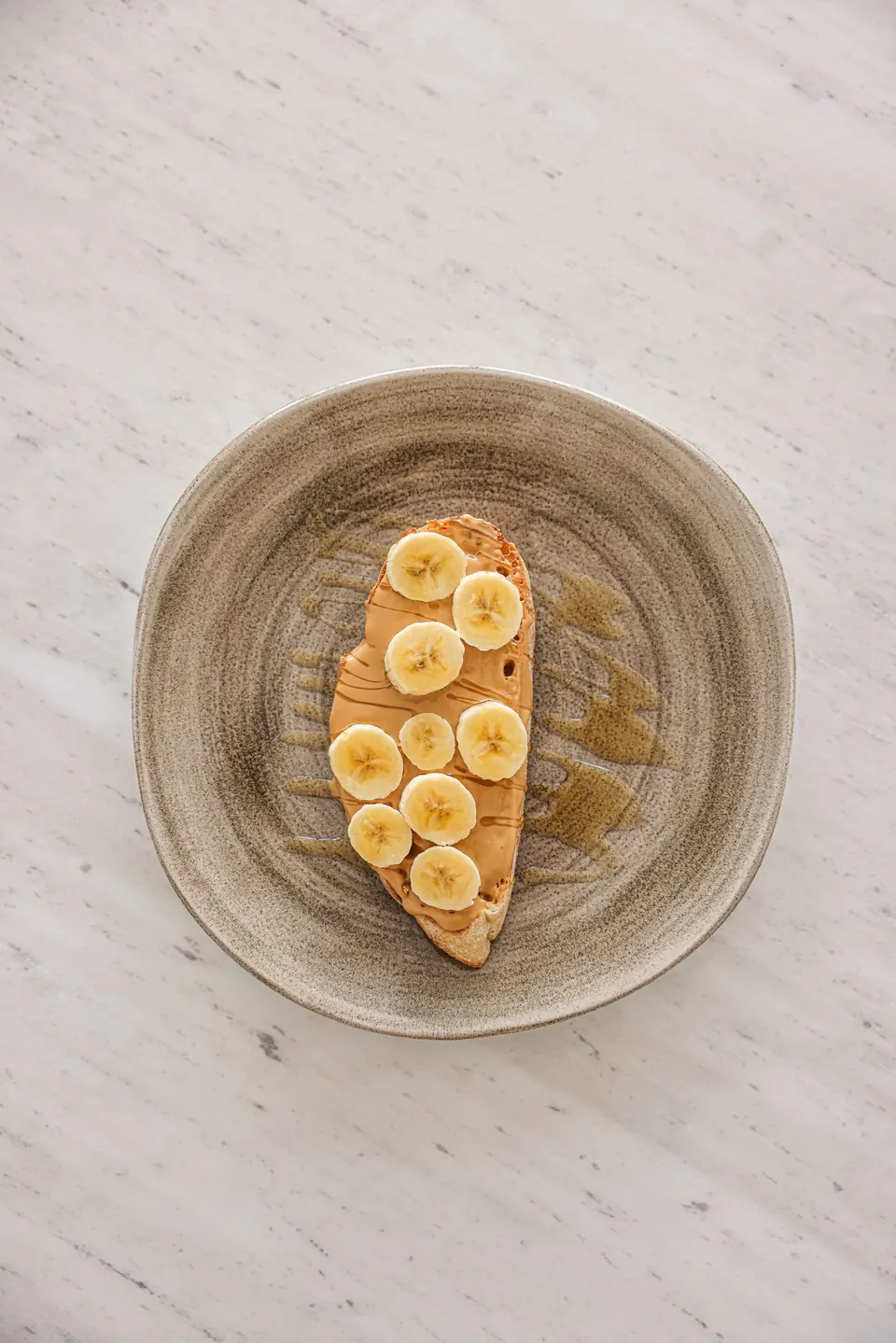
Peanut butter and banana
One spoon of peanut butter with half a banana; measure it with a spoon, not a knife.
Photo: Cup of Couple on Pexels
How many calories in toast, depending on the topping?
A slice of whole-wheat bread on its own has 81 calories and 4 g of protein. Add a boiled egg and a quarter avocado and it becomes 238 calories. With a tablespoon of cream cheese and a small portion of smoked salmon it's 165 calories, and with a tablespoon of peanut butter and half a banana it's 227.
So the toast isn't the problem; the topping is what makes the difference. If you want calcium with breakfast, a slice of mozzarella or a glass of laban next to your toast does the job without many calories.
Calories in toast toppings and weekend breakfast
| Food | Calories | Proteing | Calciummg |
|---|---|---|---|
| Whole-wheat bread1 slice, 32 gUSDA | 81 | 4 | 52 |
| Hard-boiled egg1 large, 50 gUSDA | 78 | 6.3 | 25 |
| Avocado1/4 fruit, 50 gUSDA | 80 | 1 | 6 |
| Smoked salmon1 small portion, 28.35 gUSDA | 33 | 5.2 | 3 |
| Peanut butter1 tbsp, 16 gUSDA | 94 | 3.5 | 9 |
| Banana1/2 fruit, 59 gUSDA | 53 | 0.6 | 3 |
| Falafel1 piece, 17 gUSDA | 57 | 2.3 | 9 |
| Pancake1 large, 77 gUSDA | 175 | 4.9 | 169 |
Weekend breakfast ideas for the family
Friday breakfast, the big family meal of the Saudi weekend, is a chance for more protein: eggs, cheese, ful (stewed fava beans) and hummus. Here are some easy ideas to share.
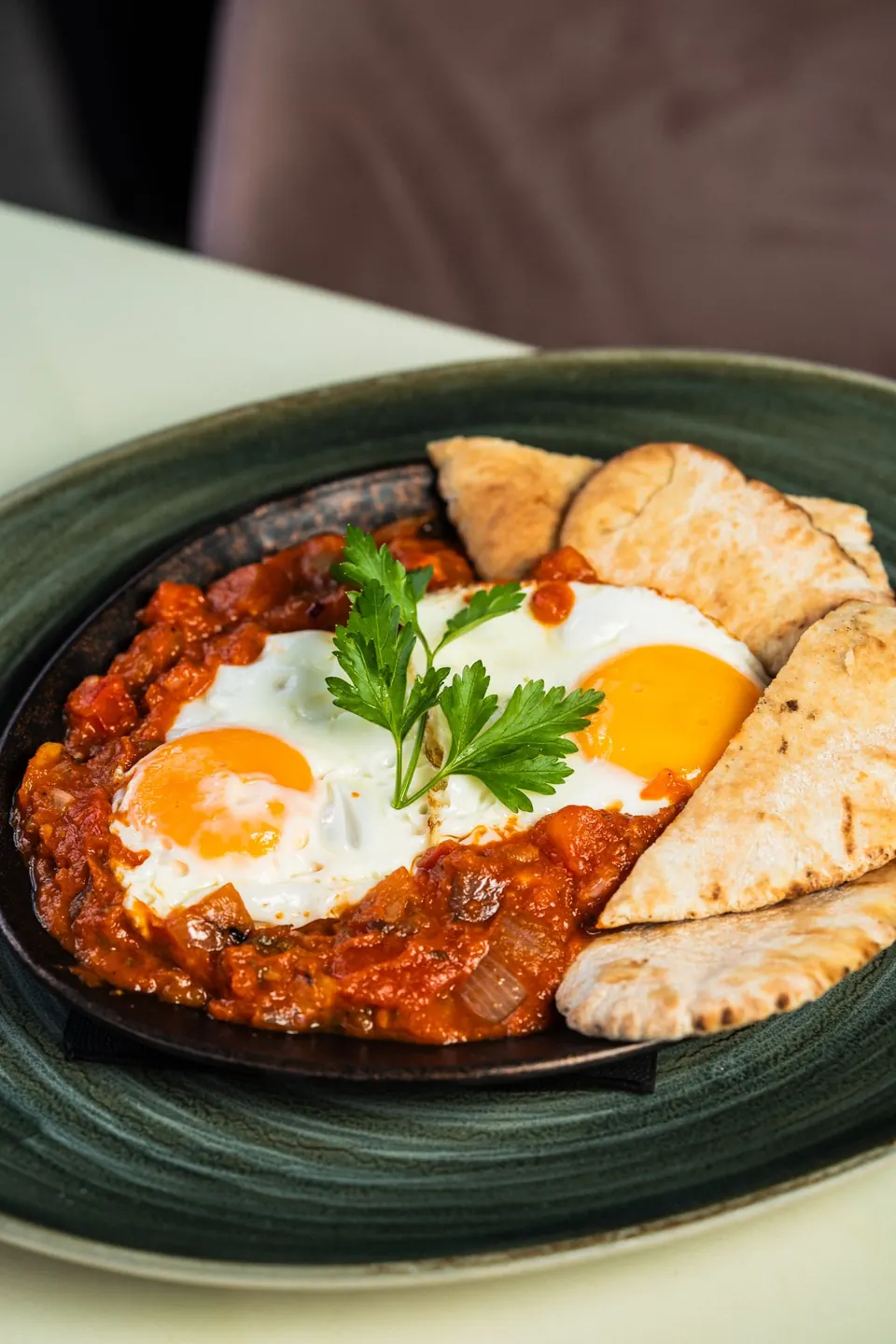
Shakshuka with bread
Eggs cooked in tomato and onion, with 6.3 g of protein per egg; take bread by the piece, not the bag.
Photo: The Castlebar on Pexels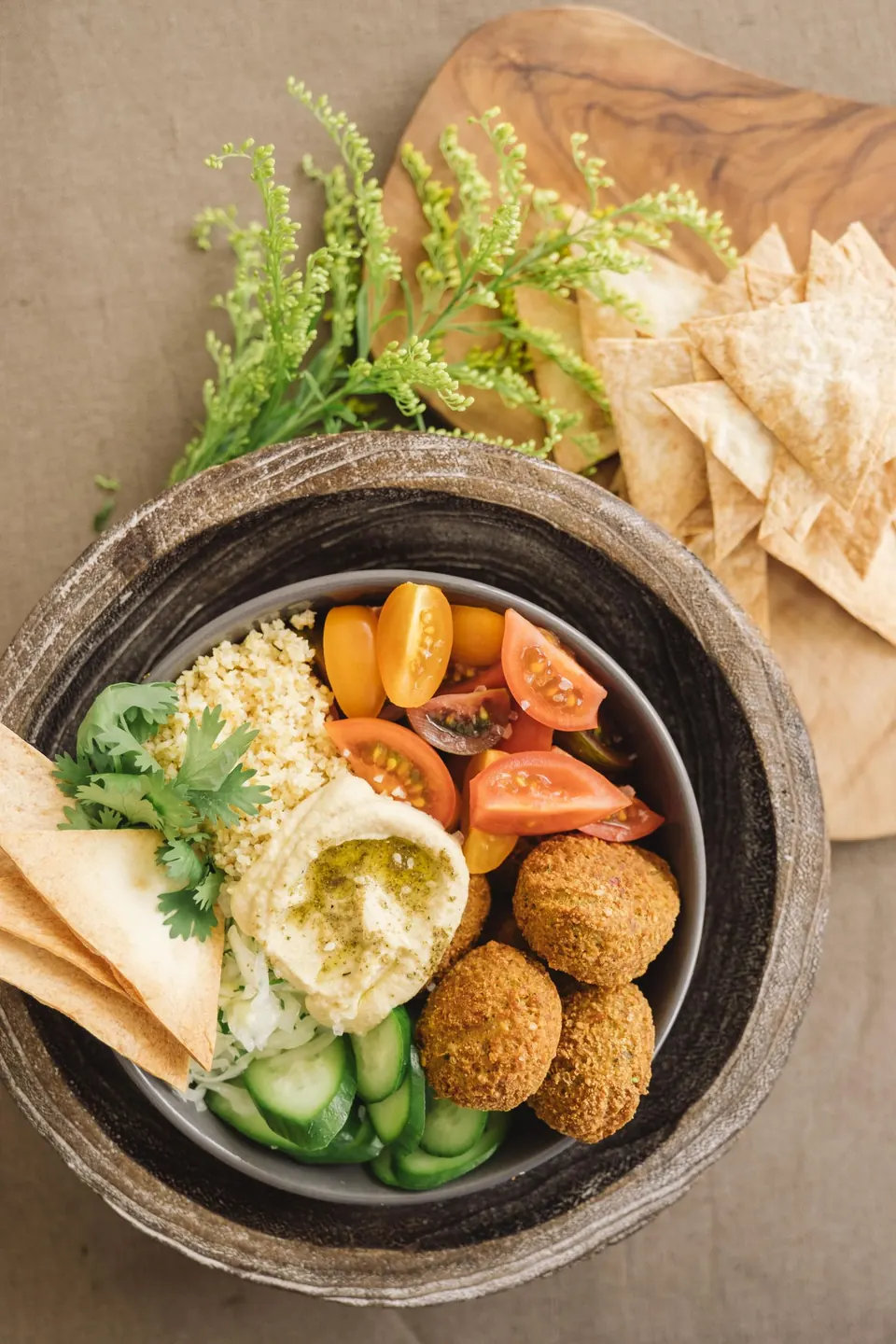
Falafel, hummus and vegetables
One falafel is 57 calories because it's fried, so have 3 or 4 with plenty of vegetables.
Photo: furkanfdemir on Pexels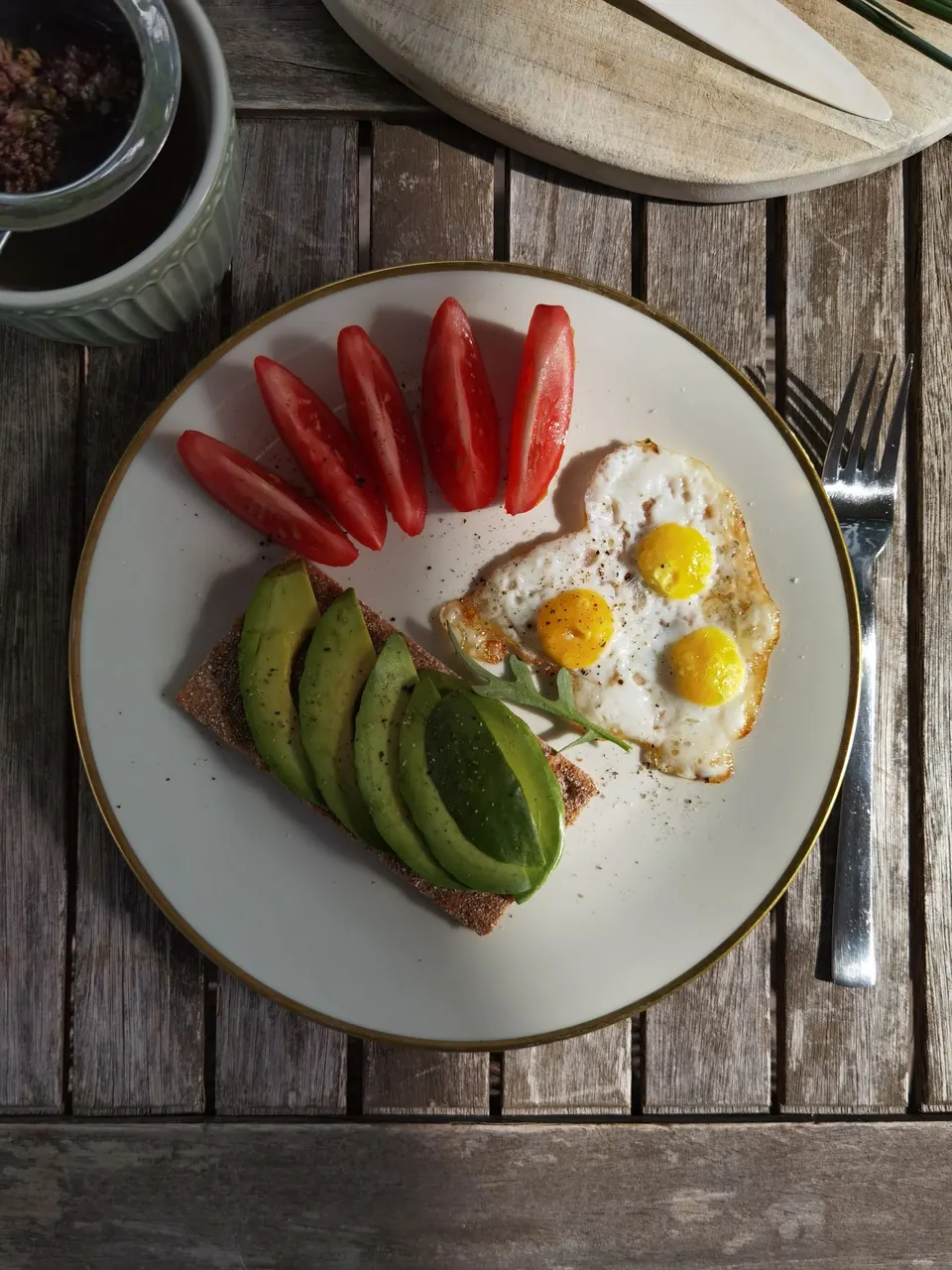
Eggs, avocado and tomato
A colorful, filling plate; a quarter avocado per person is plenty.
Photo: Vero Lova on Pexels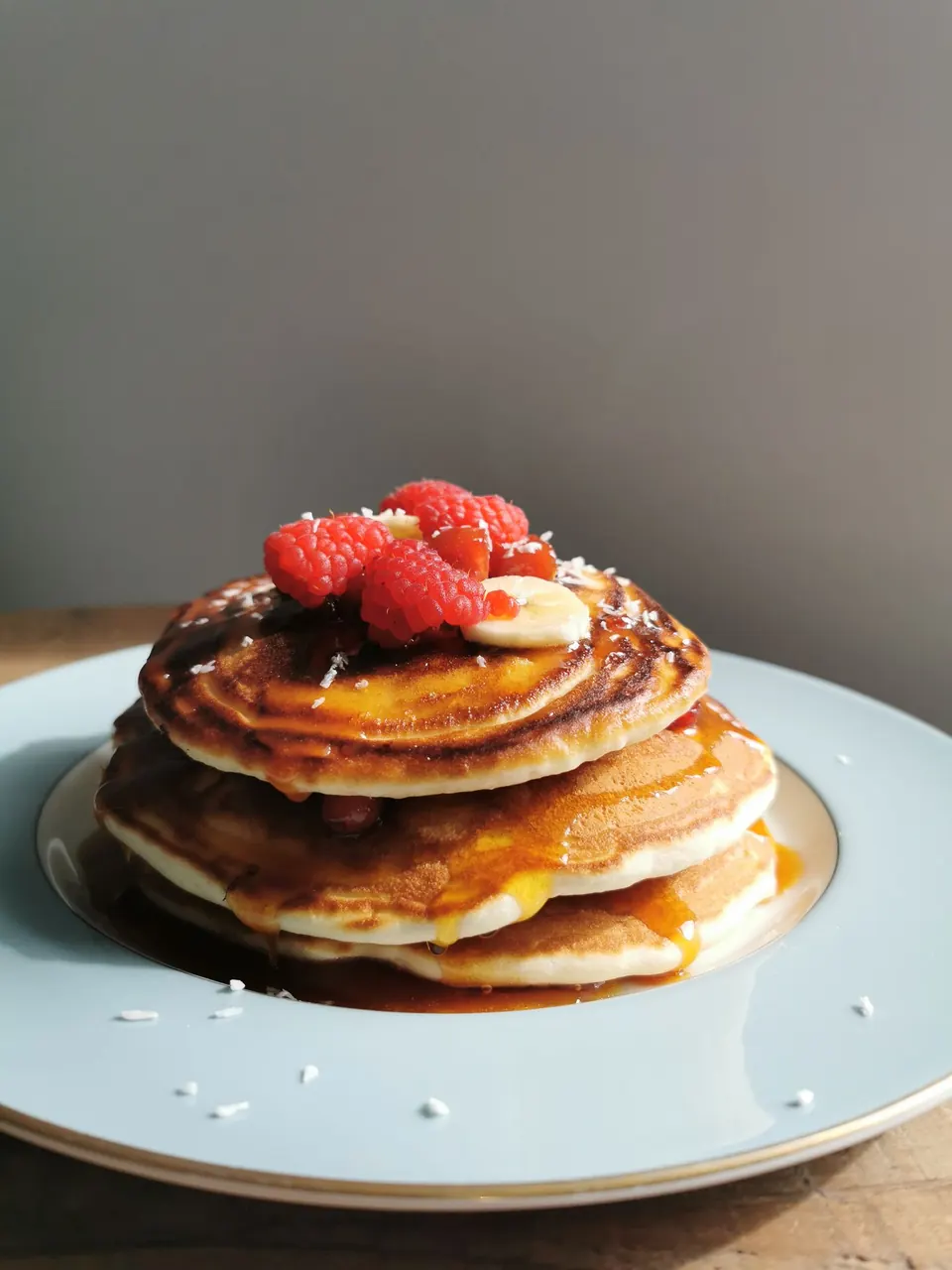
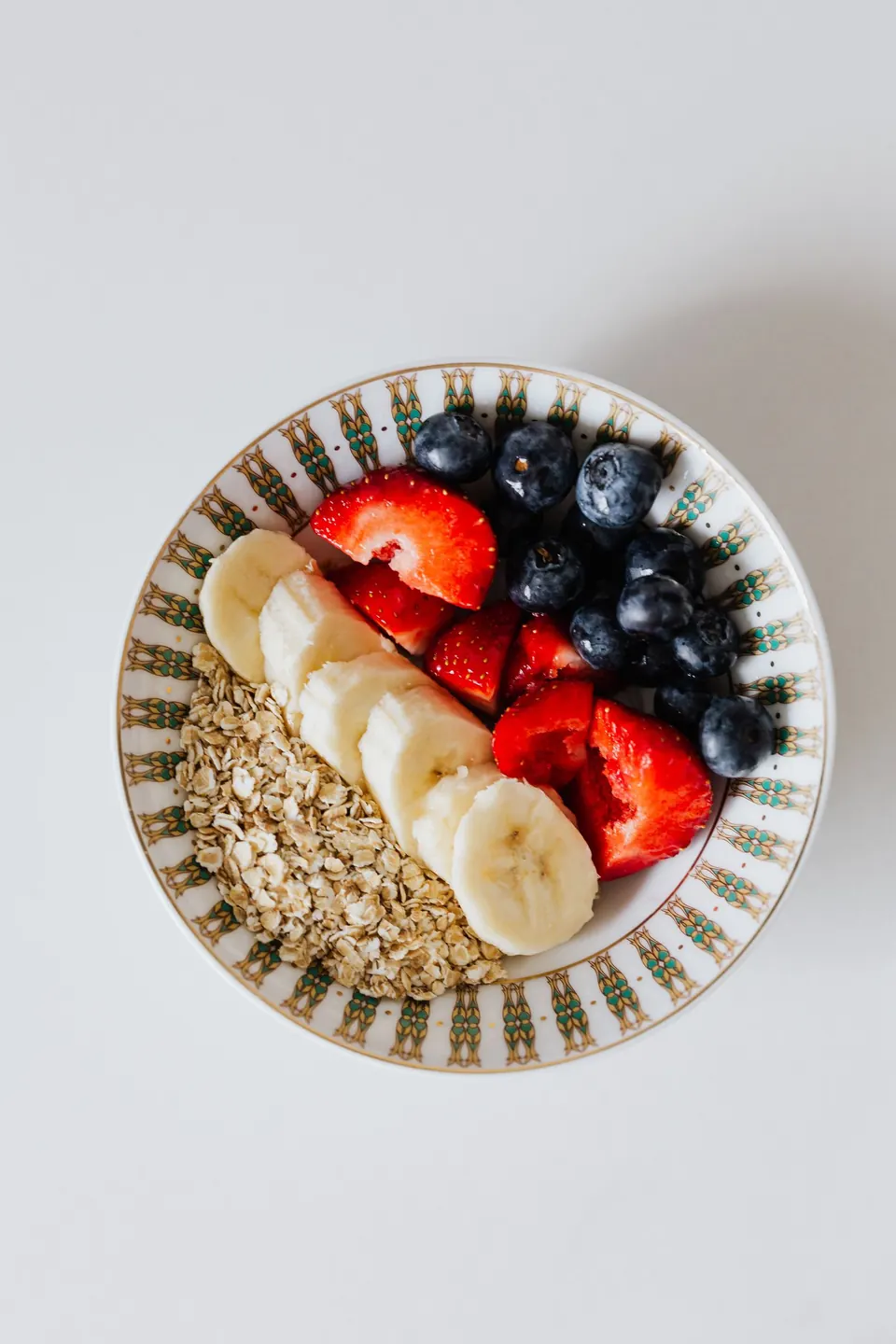
Pancakes with berries
A large pancake is 175 calories with 169 mg of calcium from the milk; top it with berries instead of syrup.
Photo: Dani Turton on Pexels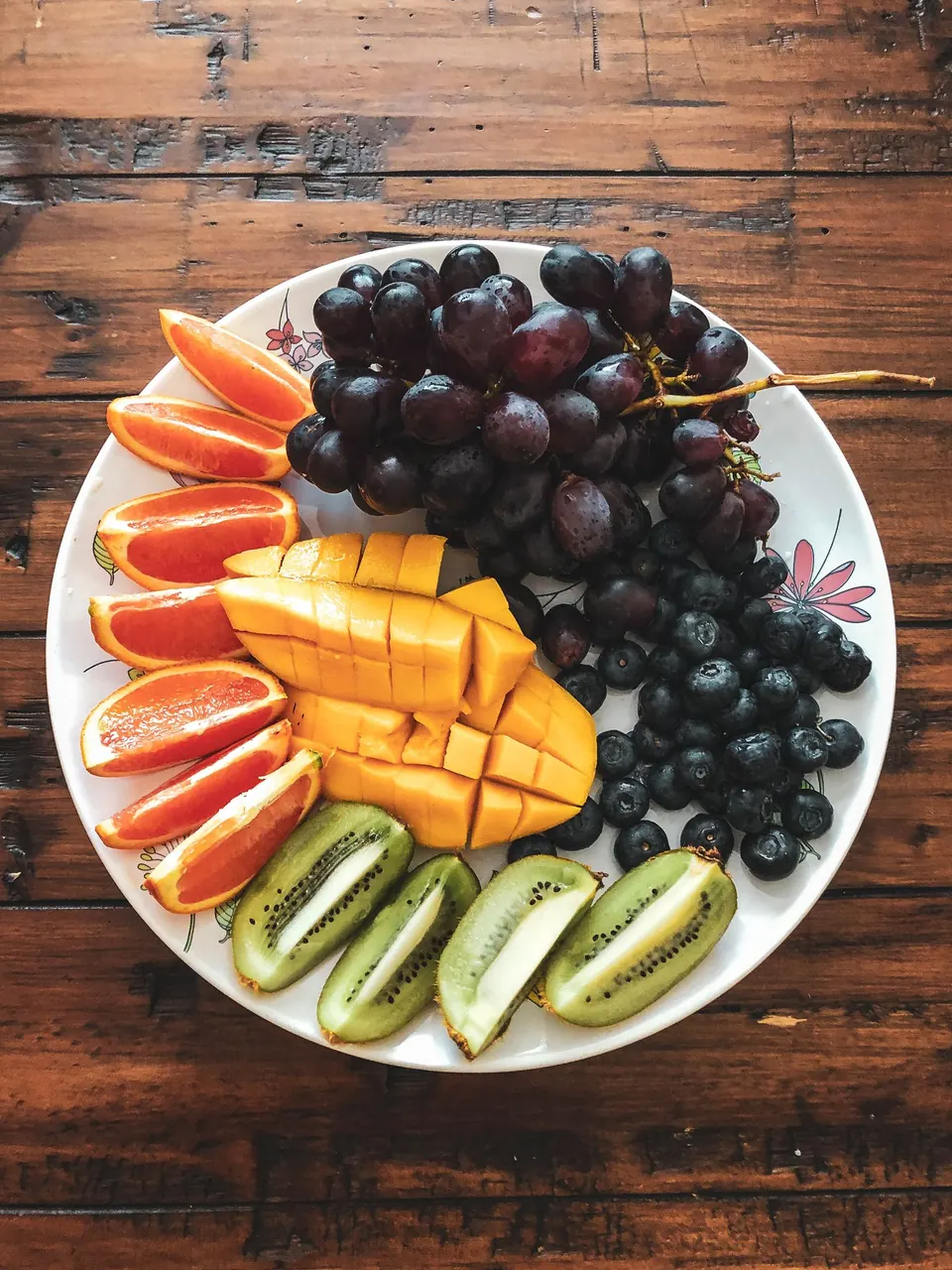
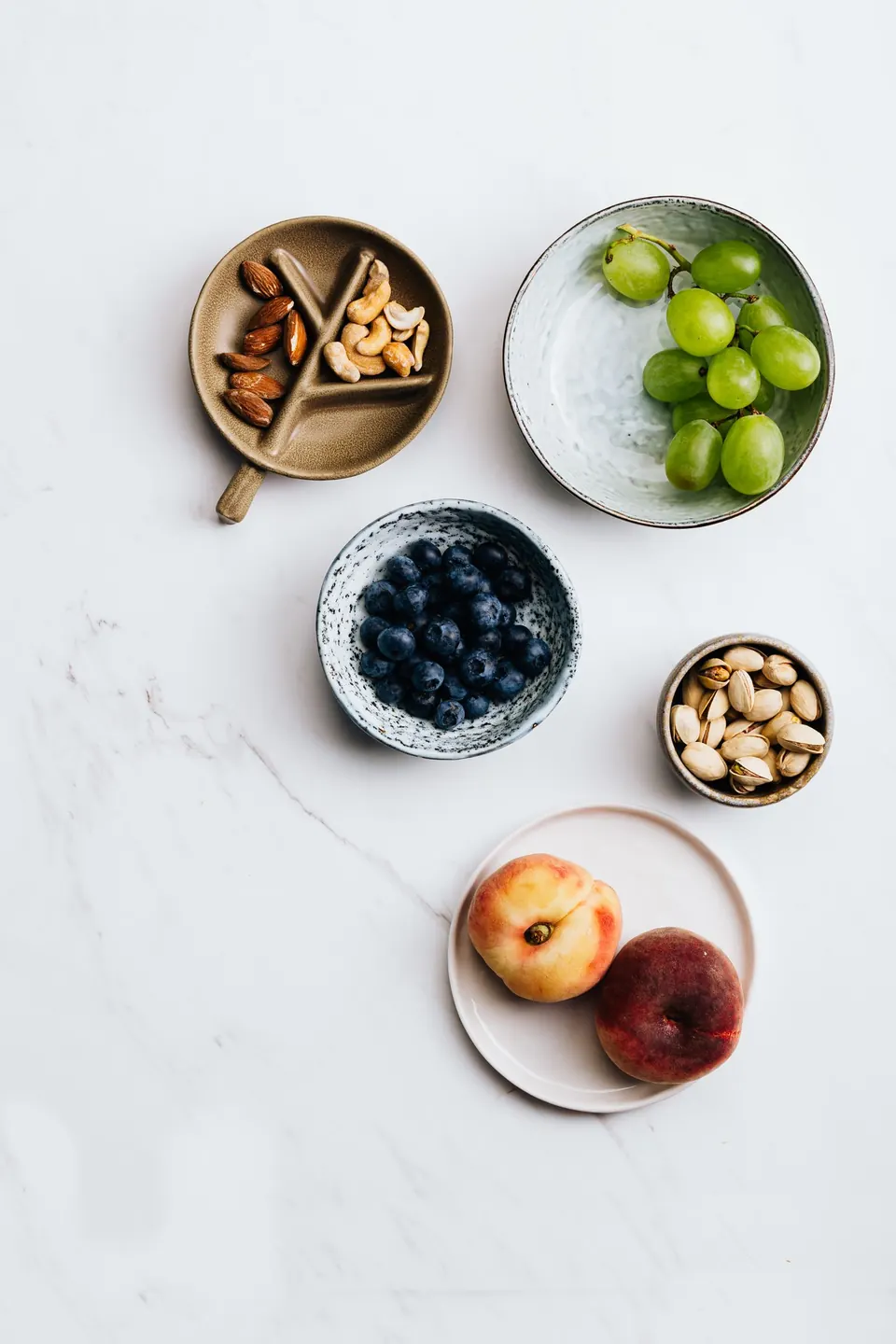
Fruit platter
Put it in the middle of the table for sweetness and color, with yogurt for anyone who wants protein.
Photo: Kristina Gain on Pexels
Easy ways to get enough calcium
- Spread dairy across your day: one serving at breakfast, one as a snack, and one with lunch or dinner.
- Choose part-skim mozzarella or cottage cheese if you want protein with fewer calories.
- Weigh a piece of hard cheese once at 30 g, and after that you'll know the size by eye.
- Have a glass of laban with lunch instead of a soda; it gives you calcium and protein.
- Buy plain yogurt and sweeten it with fruit, since flavored yogurt has added sugar.
Common questions
How many calories in cheddar cheese?
30 g of cheddar has 121 calories, 6.9 g of protein and 213 mg of calcium. Packaged slices vary in weight, so check the label.
How much protein is in Greek yogurt?
A 170 g tub of nonfat Greek yogurt has 17.3 g of protein and 100 calories, about double the protein in a cup of regular yogurt.
How much calcium does a woman need per day?
Women aged 19 to 50 need 1000 mg of calcium a day, and from age 51 they need 1200 mg, according to the US National Institutes of Health.
Is laban or yogurt better?
A cup of low-fat laban is lighter, at 98 calories, and has 284 mg of calcium; a cup of whole-milk yogurt has 149 calories. Their protein is similar, so choose by taste and by the meal.
How much protein is in cottage cheese?
Half a cup of low-fat cottage cheese has 14 g of protein and 81 calories, which makes it one of the highest-protein, lowest-calorie cheeses.
Sources
- Calcium: Fact Sheet for Health Professionals, NIH Office of Dietary Supplements.
- USDA FoodData Central, U.S. Department of Agriculture. Values per 100 g, computed at the portion weight shown:
- Cheese, cheddar (Includes foods for USDA's Food Distribution Program) FDC 173414
- Cheese, mozzarella, part skim milk FDC 170847
- Cheese, feta FDC 173420
- Cheese, cottage, lowfat, 1% milkfat FDC 173417
- Cheese, cream FDC 173418
- Milk, buttermilk, fluid, cultured, lowfat FDC 170874
- Yogurt, plain, whole milk FDC 171284
- Yogurt, Greek, plain, nonfat (Includes foods for USDA's Food Distribution Program) FDC 170894
- Yogurt, Greek, plain, whole milk FDC 171304
- Milk, whole, 3.25% milkfat, with added vitamin D FDC 171265
- Bread, whole-wheat, commercially prepared FDC 172688
- Egg, whole, cooked, hard-boiled FDC 173424
- Avocados, raw, all commercial varieties FDC 171705
- Fish, salmon, chinook, smoked FDC 173687
- Peanut Butter, smooth (Includes foods for USDA's Food Distribution Program) FDC 174294
- Bananas, raw FDC 173944
- Falafel, home-prepared FDC 172455
- Pancakes, plain, prepared from recipe FDC 175009
Numbers are computed from USDA per-100 g values at the weight in each table, and rounded. Real food varies by recipe and brand.