Ghee, Butter or Oil? Calories in a Tablespoon of Oil and Sauces
Spoon for spoon, all fats are close. What matters is how many spoons go in.
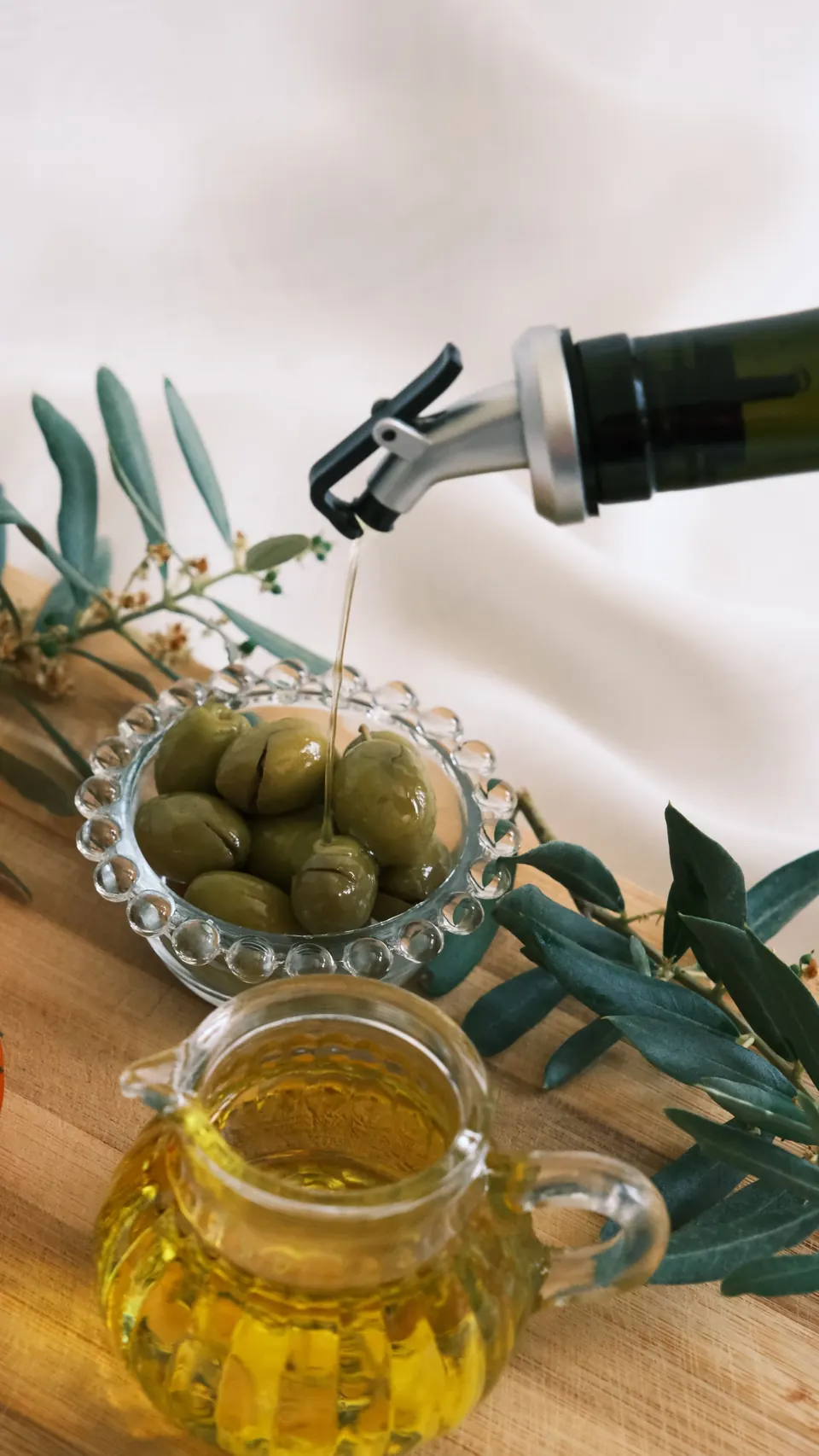
The ghee vs butter vs oil debate never ends at home: one person says ghee is heavier, another says olive oil is healthy so it doesn't count. Put them side by side by the tablespoon, though, and the numbers are very close, all between 102 and 124 calories. The real difference in a dish isn't the type of fat, it's how many spoons go into the pot.
Sauces are the same story. The spoonful on your sandwich or next to your fries barely registers, yet some of them count for more than the food itself. This guide pulls together the numbers for fats and sauces from US Department of Agriculture (USDA) data, then gives you dip ideas for gatherings that keep the spread generous without making it heavy.
In this guide 9
- How many calories in a tablespoon of ghee, butter and oil?
- Calories in fats per tablespoon
- How to use less oil in cooking without losing flavor
- How many calories in a tablespoon of mayo, ketchup and other sauces?
- Calories in sauces per spoon
- Dips for gatherings: which ones are lightest?
- Calories in dips and dippers
- Dip ideas for gatherings
- Simple habits for oil and sauces
How many calories in a tablespoon of ghee, butter and oil?
A tablespoon of ghee has 112 calories, butter has 102 and olive oil has 119. Canola oil, the one most of us fry with, has 124 per tablespoon. The gap between the lightest and the heaviest is just 22 calories, less than one and a half tablespoons of ketchup.
Why is butter a little lower? It contains water. Ghee is butter with the water cooked off, so it is almost pure fat, just like oil. Olive oil is a great choice for cooking and salads, but that doesn't make it lower in calories. Oil is oil.
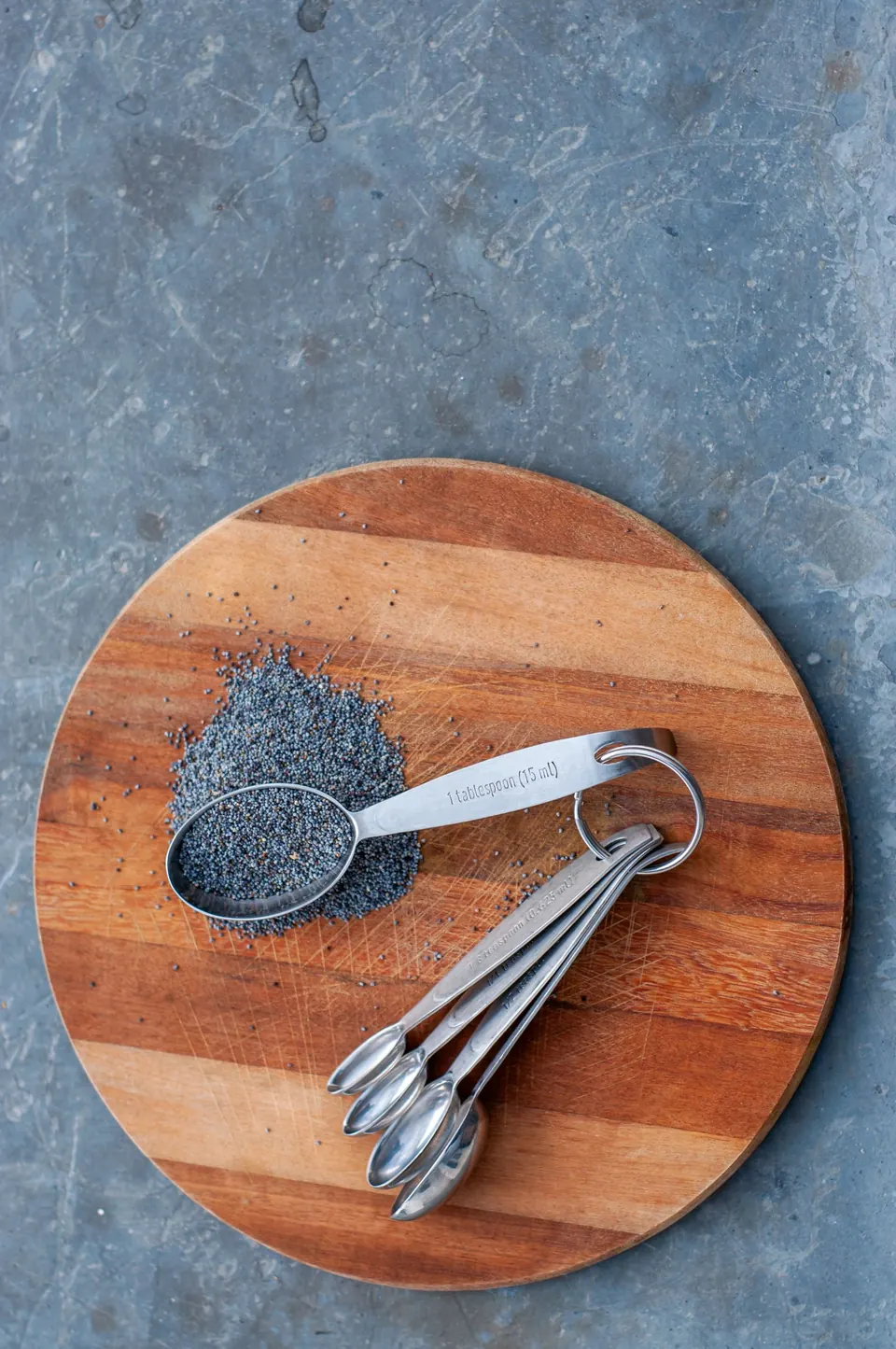
A teaspoon of oil has 40 calories, a third of a tablespoon. If you get used to measuring with a teaspoon when you sauté onions or fry eggs, you control the amount without changing the taste much.
Calories in fats per tablespoon
| Food | Calories | Fatg |
|---|---|---|
| Ghee1 tbsp, 12.8 gUSDA | 112 | 12.7 |
| Butter1 tbsp, 14.2 gUSDA | 102 | 11.5 |
| Olive oil1 tbsp, 13.5 gUSDA | 119 | 13.5 |
| Canola oil1 tbsp, 14 gUSDA | 124 | 14 |
| Olive oil1 tsp, 4.5 gUSDA | 40 | 4.5 |
Ghee here is USDA's pure butter fat, the closest match to traditional homemade ghee (samn baladi).
How to use less oil in cooking without losing flavor
Most of the flavor in kabsa, marqooq and stews comes from the spices, onions and meat, not from the amount of oil. Try starting with one tablespoon to sauté the onions, and if they stick, add a splash of water or stock instead of more oil. A lid keeps the moisture in, so the onions soften without needing much fat.
For things you'd normally fry, an air fryer or the oven gives you a similar crunch with one teaspoon of oil over the whole tray. And if you love the aroma of ghee in rice, add a teaspoon on top once the rice is cooked. You'll smell and taste it more than if it melted into the pot.
How many calories in a tablespoon of mayo, ketchup and other sauces?
A tablespoon of mayonnaise has 94 calories, ranch about 65, barbecue sauce 29 and ketchup 17. Mustard has 3 calories per teaspoon and hot sauce less than one. That makes the gap between mayo and ketchup 77 calories in a single tablespoon.
Mayo and ranch get most of their calories from fat, since they're built on oil and egg. Ketchup and barbecue sauce are lighter but higher in sugar: a tablespoon of barbecue sauce has 5.6 g. Tahini is close to mayo in calories, 89 per tablespoon, but it brings protein and calcium too, 64 mg per tablespoon.
The catch is that sauce never stops at one spoon. A sandwich with fries on the side, and three tablespoons of mayo disappear without you noticing. That's about 280 calories, close to a whole snack. Light mayo cuts it a lot, at 36 calories per tablespoon.
Calories in sauces per spoon
| Food | Calories | Fatg | Sugarsg |
|---|---|---|---|
| Mayonnaise1 tbsp, 13.8 gUSDA | 94 | 10.3 | 0.1 |
| Light mayonnaise1 tbsp, 15 gUSDA | 36 | 3.3 | 0.5 |
| Ranch dressing1 tbsp, 15 gUSDA | 64 | 6.7 | 0.7 |
| Tahini1 tbsp, 15 gUSDA | 89 | 8.1 | 0.1 |
| Barbecue sauce1 tbsp, 17 gUSDA | 29 | 0.1 | 5.6 |
| Ketchup1 tbsp, 17 gUSDA | 17 | 0 | 3.6 |
| Mustard1 tsp, 5 gUSDA | 3 | 0.2 | 0 |
| Hot sauce1 tsp, 4.7 gUSDA | 1 | 0 | 0.1 |
Restaurant garlic sauce (toum) is mostly oil, so count it as close to mayo.
Dips for gatherings: which ones are lightest?
A spread for guests isn't complete without dips, and the good news is that most of them are built on good foods: chickpeas, eggplant, yogurt, avocado. What raises their calories is the oil poured on top and the bread that goes with them.
Two tablespoons of hummus have 71 calories. Two tablespoons of full-fat Greek yogurt, the base of a cucumber yogurt dip, have just 29, and fat-free has 18. Avocado, the base of guacamole, has 48 calories in 30 g. So yogurt-based dips are the lightest, with hummus in the middle.
What you dip matters just as much: half a cup of sliced cucumber is 8 calories, a medium carrot 25, a small pita 77 and an ounce of chips 151. Put a big plate of vegetables next to the bread and everyone will eat from it.
Calories in dips and dippers
| Food | Calories | Proteing | Fatg |
|---|---|---|---|
| Hummus2 tbsp, 30 gUSDA | 71 | 2.3 | 5.3 |
| Greek yogurt, full fat2 tbsp, 30 gUSDA | 29 | 2.7 | 1.5 |
| Greek yogurt, fat free2 tbsp, 30 gUSDA | 18 | 3.1 | 0.1 |
| Mashed avocado2 tbsp, 30 gUSDA | 48 | 0.6 | 4.4 |
| Cucumber with peelhalf cup, sliced, 52 gUSDA | 8 | 0.3 | 0.1 |
| Carrot1 medium, 61 gUSDA | 25 | 0.6 | 0.1 |
| White pita bread1 small, 28 gUSDA | 77 | 2.5 | 0.3 |
| Potato chips1 oz, 28.35 gUSDA | 151 | 1.8 | 9.6 |
Labneh, mutabbal and muhammara vary a lot with the recipe and the oil on top, so we didn't give them a single number. Check the label if you buy them ready-made.
Dip ideas for gatherings
Serve them in small bowls with cut vegetables and bread, and add olive oil by the spoon, not straight from the bottle.
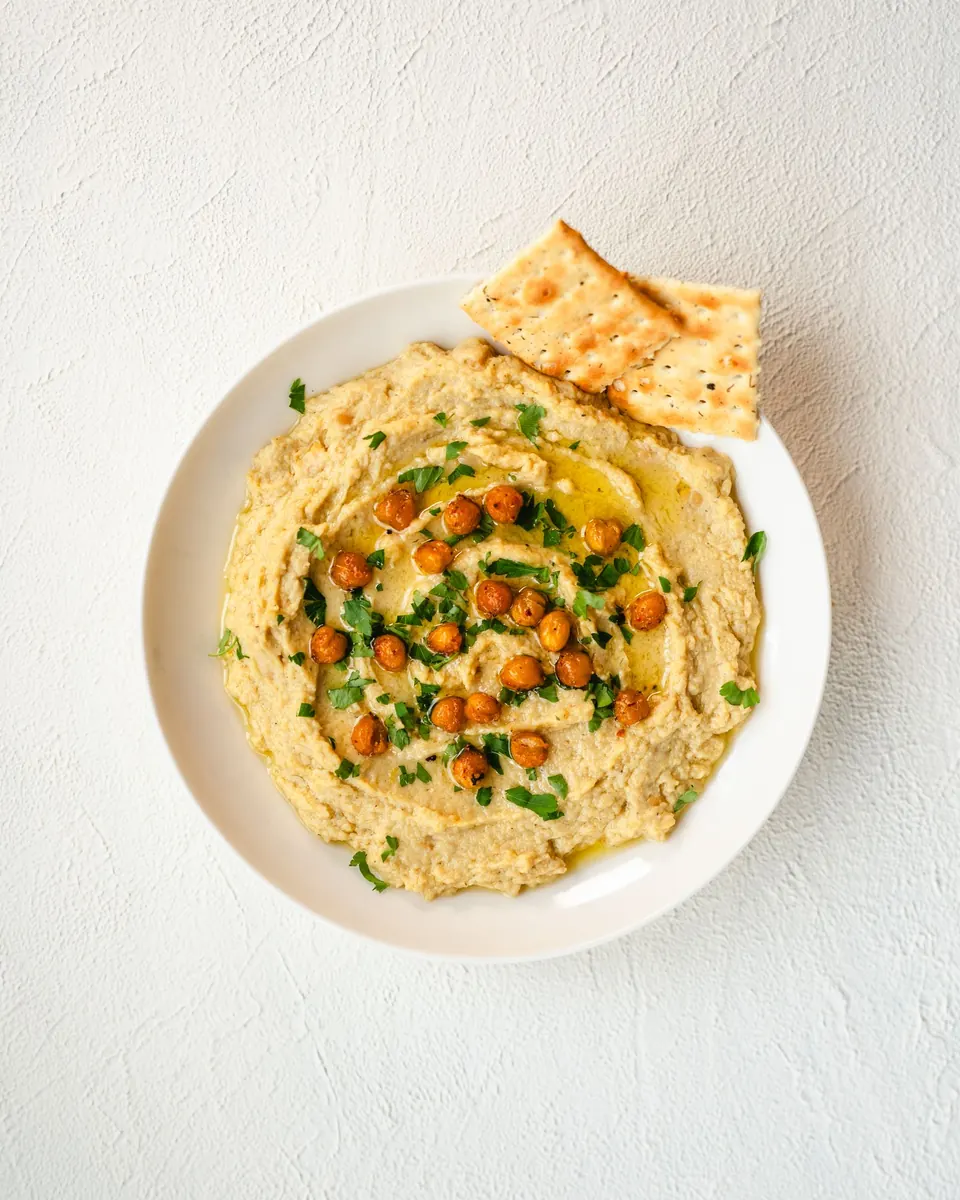
Hummus with olive oil
A teaspoon of oil on top is enough for shine and flavor.
Photo: Ruken Kobatan on Pexels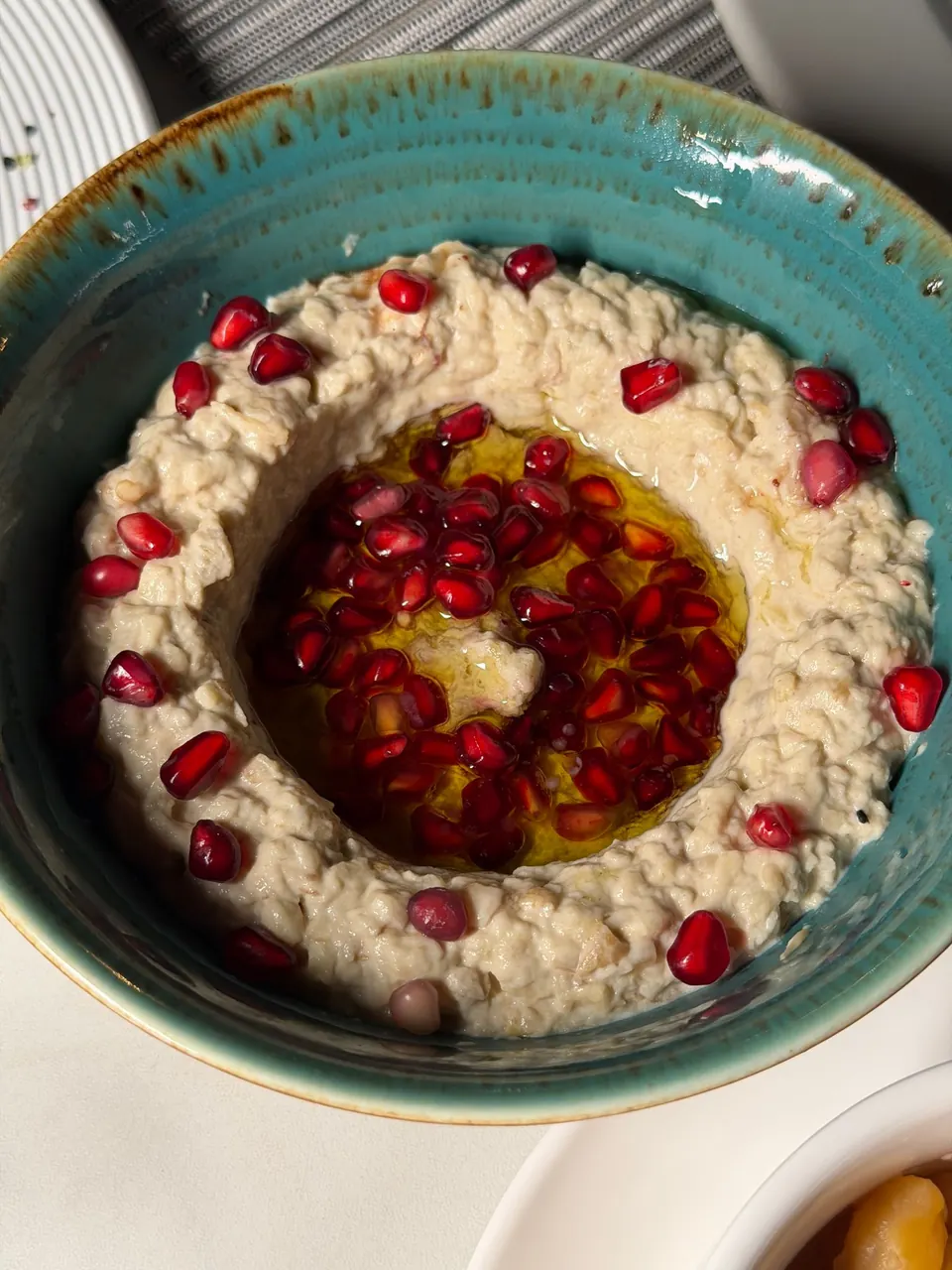
Mutabbal with pomegranate
The roasted eggplant dip is light on its own, and pomegranate adds color and tang.
Photo: Anthony Rahayel on Pexels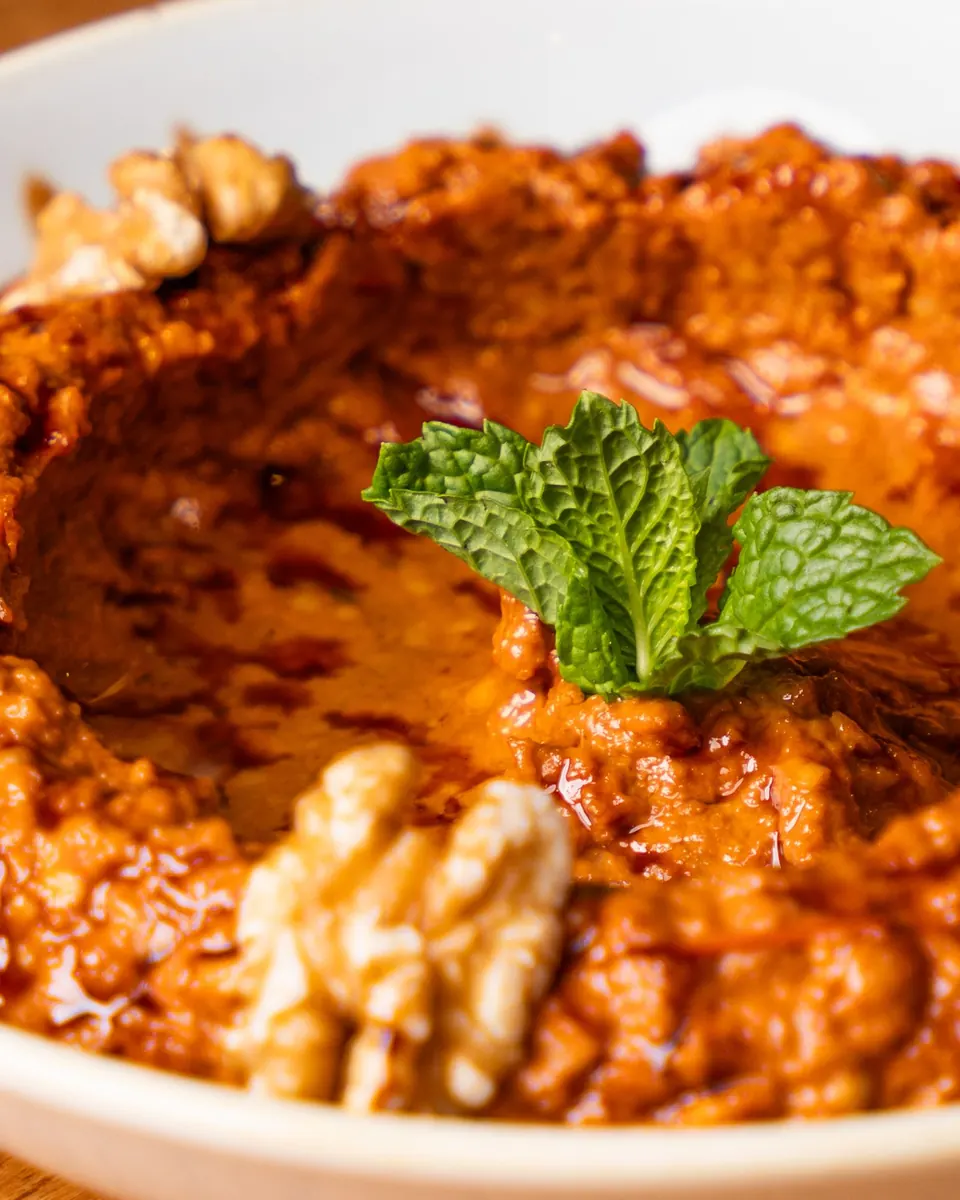
Walnut muhammara
This red pepper dip has walnuts and oil, so serve it in a small bowl next to the lighter dips.
Photo: Ali Dashti on Pexels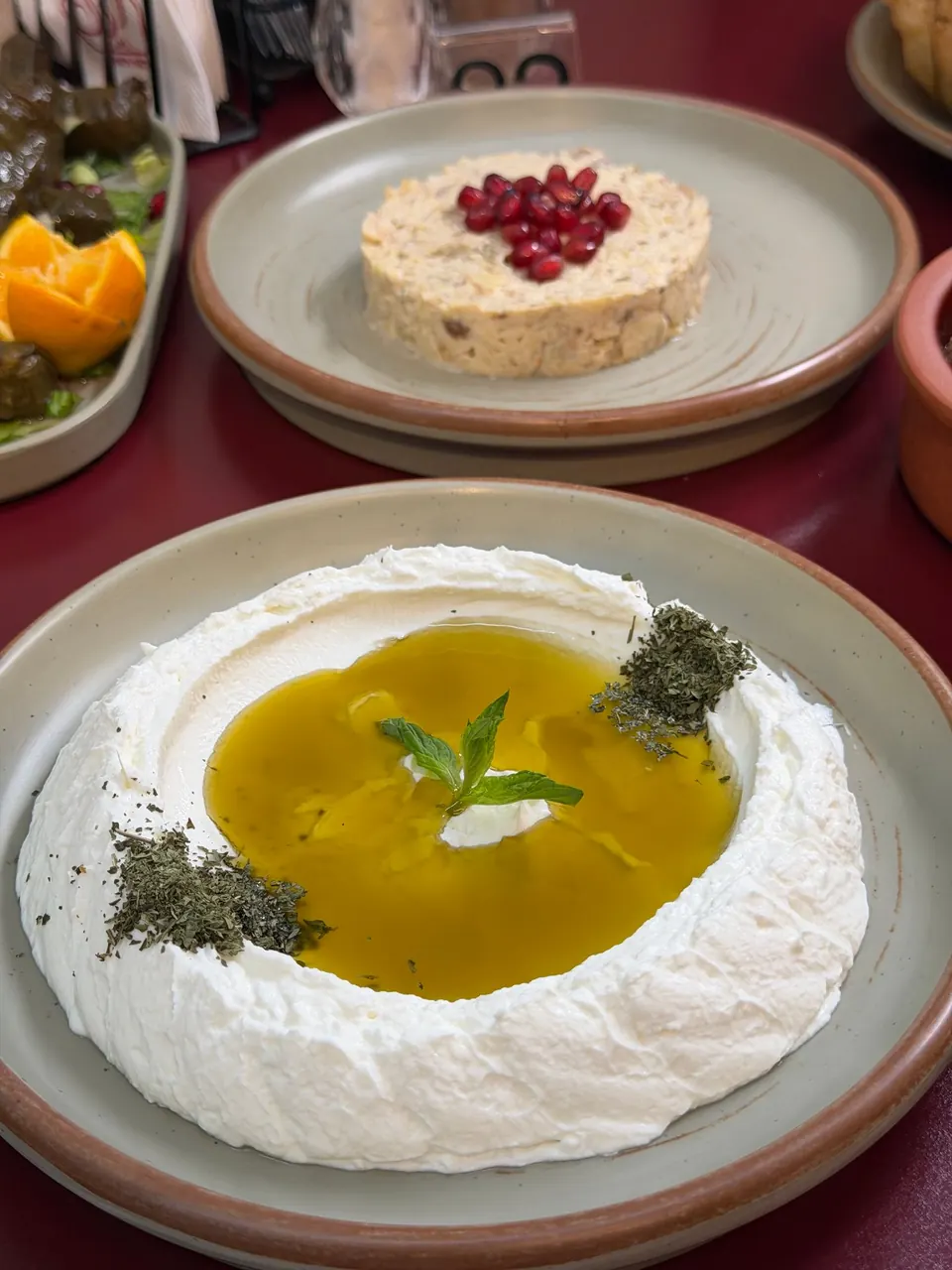
Labneh with olive oil
Pick a low-fat labneh (thick strained yogurt) and sprinkle za'atar and mint on top.
Photo: Anthony Rahayel on Pexels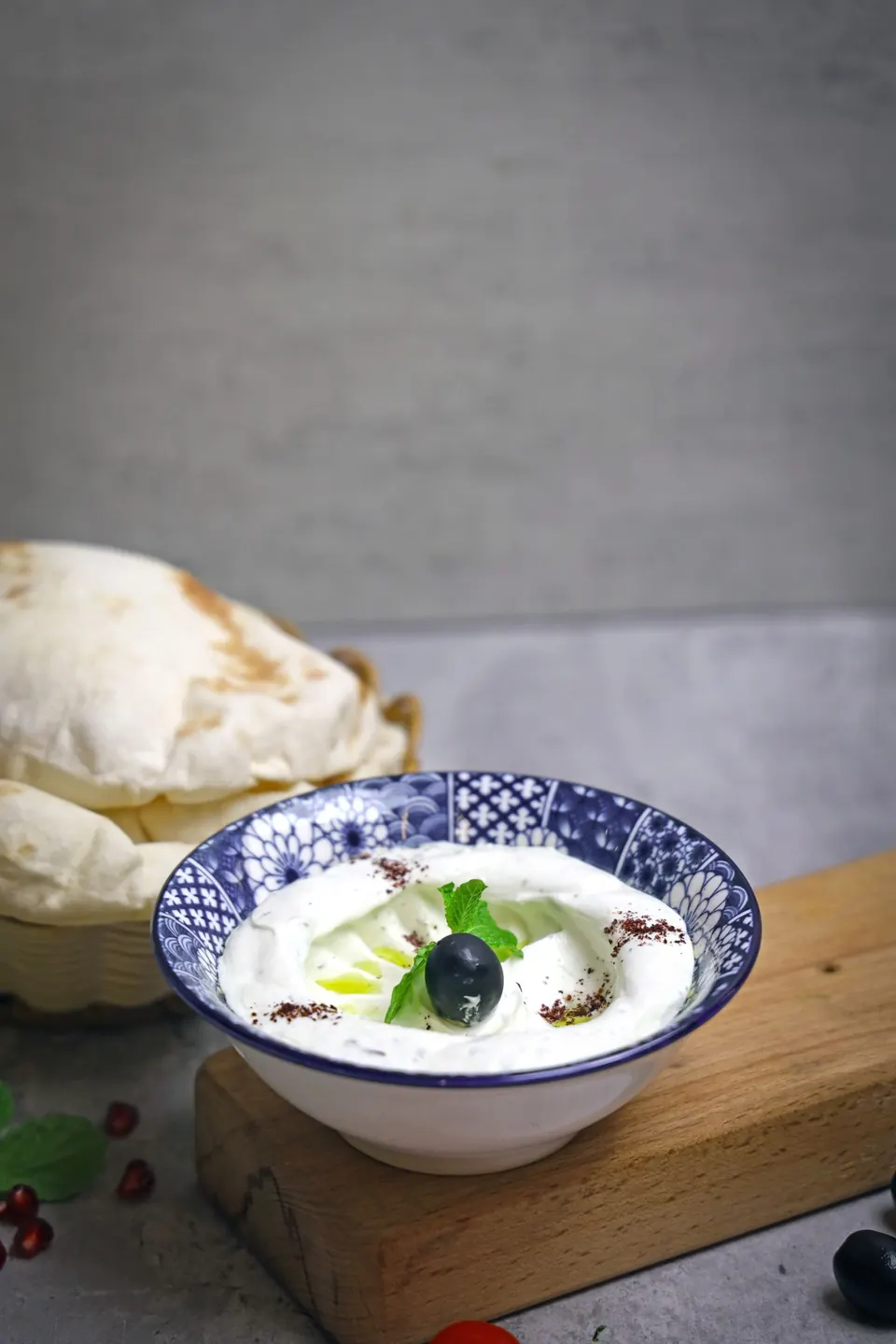
Cucumber yogurt dip
The lightest dip on the table: yogurt, grated cucumber, garlic and mint.
Photo: Shameel mukkath on Pexels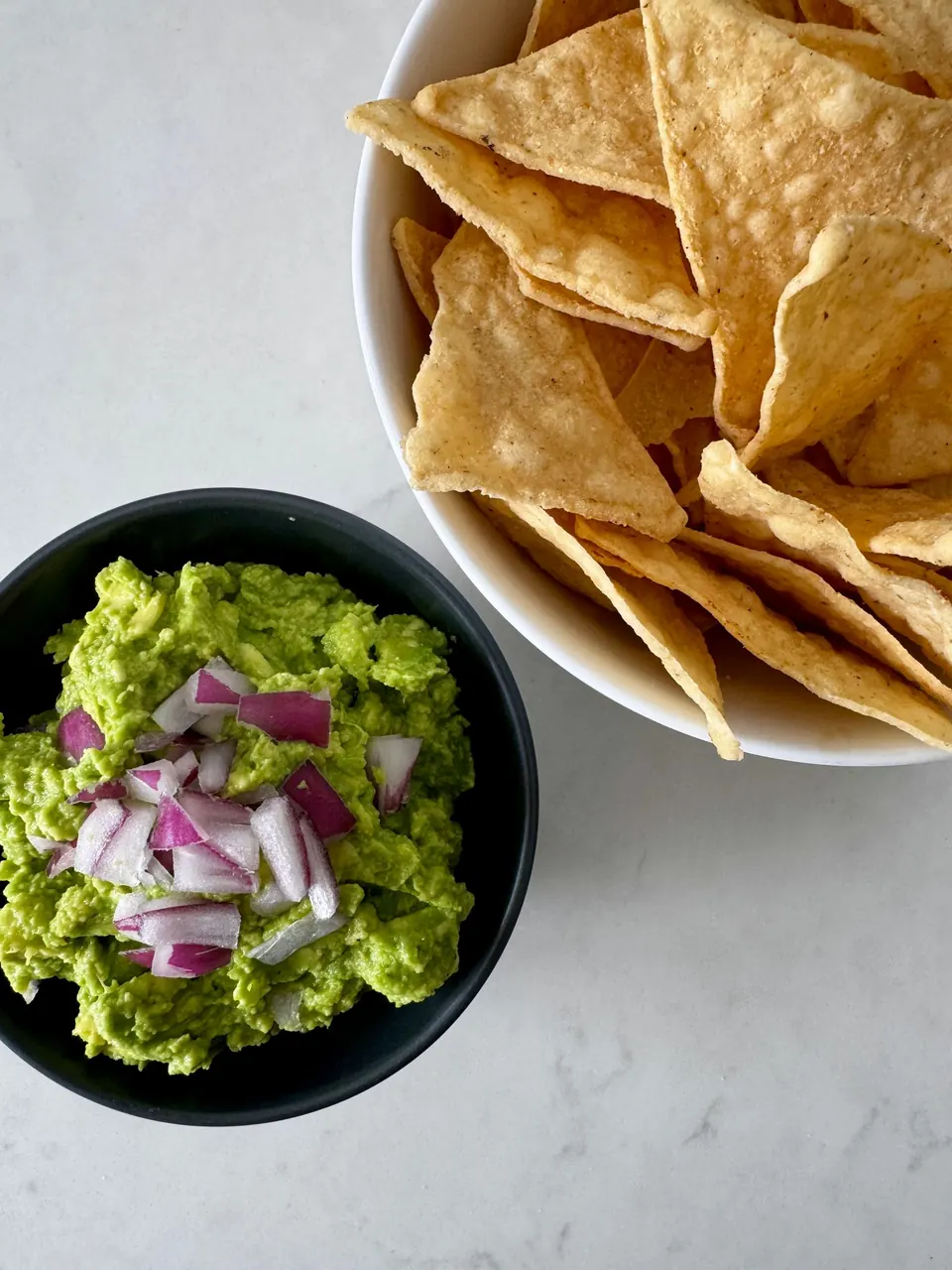
Guacamole
Mashed avocado with lemon, onion and tomato, best with vegetables instead of chips.
Photo: Alex Agnoluzzi on Pexels
Simple habits for oil and sauces
- Measure oil with a spoon while you cook instead of pouring from the bottle.
- Use a nonstick pan or an oil spray for eggs and sautéing.
- Ask for sauce on the side at restaurants and dip into it instead of having it poured over.
- Swap half the mayo in salads and sandwiches for Greek yogurt.
- Ketchup, mustard and hot sauce are light options when you want flavor without many calories.
Common questions
How many calories in a tablespoon of olive oil?
A tablespoon of olive oil has 119 calories, and a teaspoon has 40.
Does ghee have more calories than oil?
No, it's about the same. A tablespoon of ghee has 112 calories, olive oil 119 and butter 102. The difference is the number of spoons, not the type of fat.
How many calories in a tablespoon of mayonnaise?
A tablespoon of mayonnaise has 94 calories, and light mayonnaise has 36.
What is the lowest calorie sauce?
Hot sauce has less than one calorie per teaspoon, mustard has 3, and ketchup has 17 per tablespoon.
Is hummus fattening?
Not on its own. Two tablespoons of hummus have 71 calories; the difference comes from how much oil and bread go with it.
Sources
- USDA FoodData Central, U.S. Department of Agriculture. Values per 100 g, computed at the portion weight shown:
- Butter oil, anhydrous FDC 173412
- Butter, salted FDC 173410
- Oil, olive, salad or cooking FDC 171413
- Oil, canola FDC 172336
- Salad dressing, mayonnaise, regular FDC 171009
- Salad dressing, mayonnaise, light FDC 173594
- Salad dressing, ranch dressing, regular FDC 173592
- Seeds, sesame butter, tahini, from roasted and toasted kernels (most common type) FDC 170189
- Sauce, barbecue FDC 174523
- Catsup FDC 168556
- Mustard, prepared, yellow FDC 172234
- Sauce, ready-to-serve, pepper or hot FDC 174527
- Hummus, commercial FDC 174289
- Yogurt, Greek, plain, whole milk FDC 171304
- Yogurt, Greek, plain, nonfat (Includes foods for USDA's Food Distribution Program) FDC 170894
- Avocados, raw, all commercial varieties FDC 171705
- Cucumber, with peel, raw FDC 168409
- Carrots, raw FDC 170393
- Bread, pita, white, enriched FDC 174915
- Snacks, potato chips, plain, salted FDC 169677
Numbers are computed from USDA per-100 g values at the weight in each table, and rounded. Real food varies by recipe and brand.