Calories and Protein in Chicken, Meat and Fish per 100 g, Plus Iron
Protein is similar across the board. What differs is fat, iron and how you cook it.
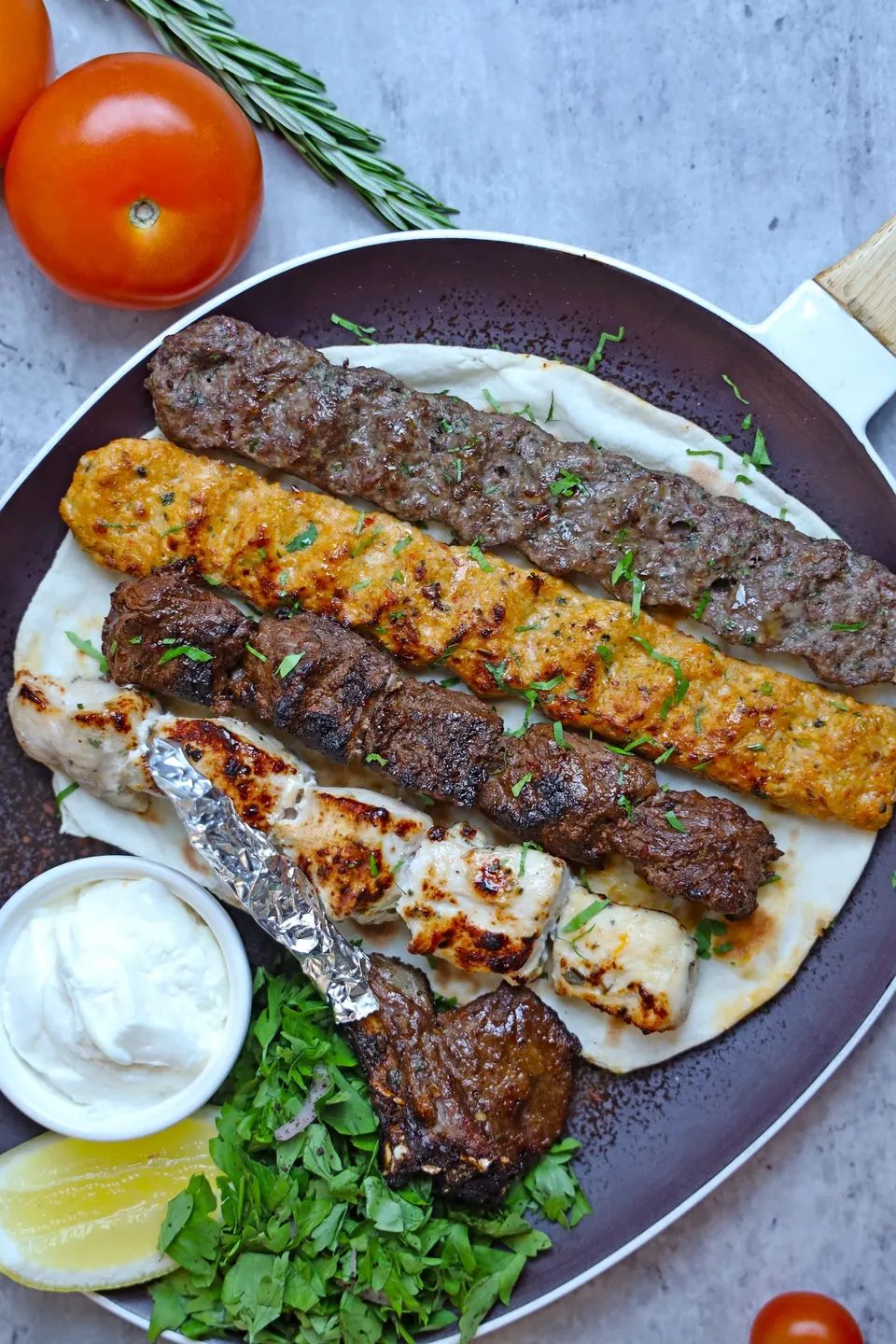
Meat, chicken and fish are all protein, but their calories differ more than you'd expect. 100 g of cooked shrimp has less than half the calories of 100 g of ground beef, and the reason isn't protein, it's fat. Once you know that, you can choose based on your day without cutting anything out.
In this guide we gathered calories and protein per 100 g cooked for the most popular options, using USDA data, along with something that matters for women in particular: iron, because we need more than twice as much as men. You'll also find the FDA's advice on fish during pregnancy and breastfeeding, and at the end, one-pan dinner ideas you slide into the oven and forget about.
In this guide 9
- How many calories in fish and shrimp?
- Fish calories and protein per 100 g
- Chicken or red meat? Calories and protein per 100 g
- Calories in chicken, lamb and ground beef
- Iron: why do women need more?
- How much iron in a portion of meat, chicken and fish?
- One-pan dinners: into the oven and forget it
- One-pan dinner ideas
- How to choose your protein
How many calories in fish and shrimp?
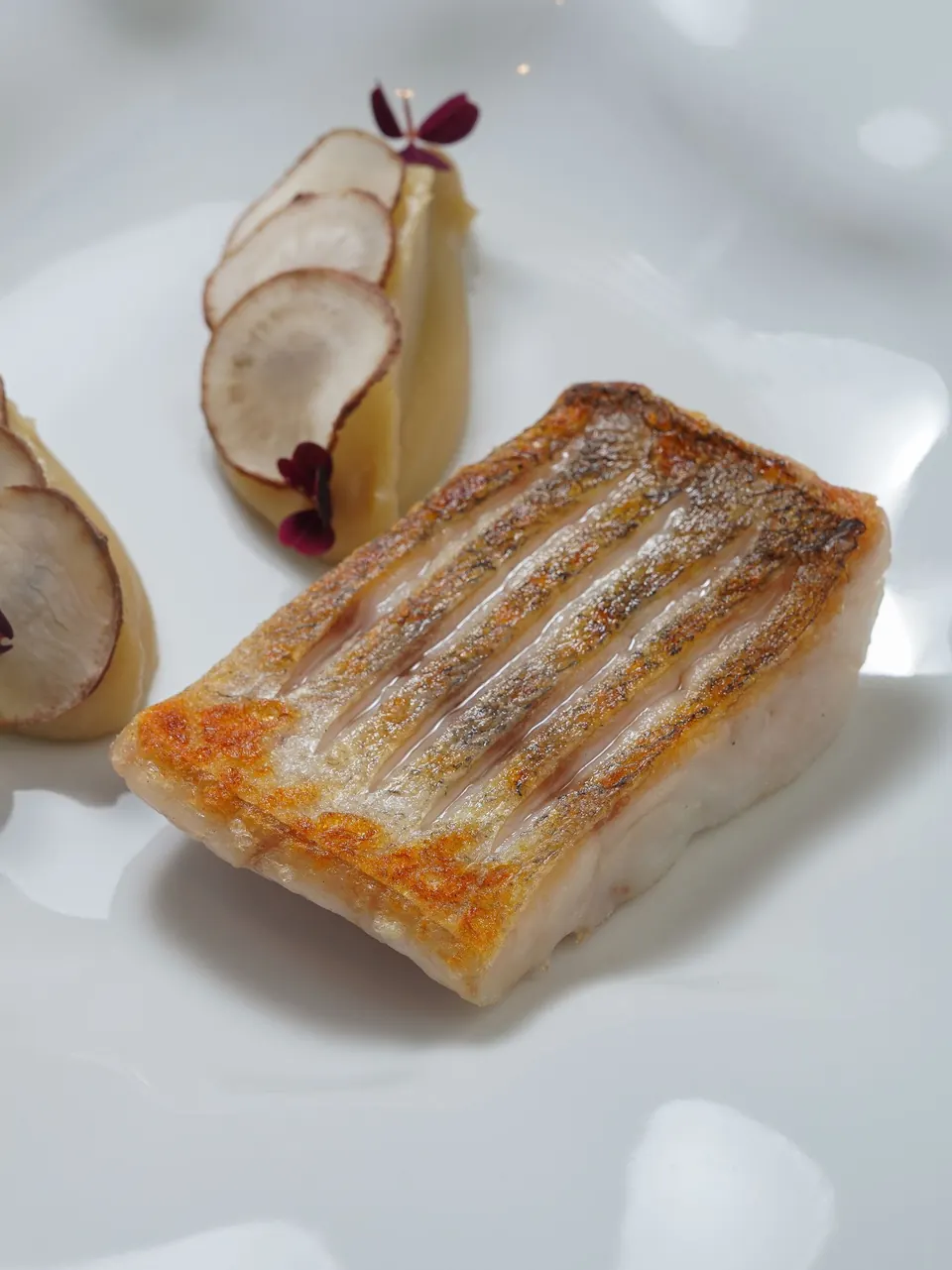
Cooked shrimp has 99 calories and 24 g of protein per 100 g, which makes it one of the lightest proteins around. Hamour, the grouper you'll find on every Gulf menu, has 118 calories and 24.8 g of protein, grilled fresh tuna has 130 calories and 29.2 g of protein, and canned tuna in water, drained, has 116.
Salmon is the highest: 206 calories and 22.1 g of protein. Not because it's worse, but because it has much more fat, 12.4 g per 100 g versus 1.3 g in hamour. Salmon's fat is the healthy kind, so it's a good choice; just keep an eye on the portion. A whole hamour fillet, about 202 g, has 238 calories and 50.1 g of protein.
Fish calories and protein per 100 g
| Food | Calories | Proteing | Fatg |
|---|---|---|---|
| Cooked shrimp100 g, 100 gUSDA | 99 | 24 | 0.3 |
| Grilled hamour (grouper)100 g, 100 gUSDA | 118 | 24.8 | 1.3 |
| Grilled fresh tuna100 g, 100 gUSDA | 130 | 29.2 | 0.6 |
| Canned tuna in water, drained100 g, 100 gUSDA | 116 | 25.5 | 0.8 |
| Grilled salmon100 g, 100 gUSDA | 206 | 22.1 | 12.4 |
| Grilled hamour (grouper)whole fillet, 202 gUSDA | 238 | 50.1 | 2.6 |
Numbers are for fish cooked without oil. Frying or sauces add calories.
Chicken or red meat? Calories and protein per 100 g
Grilled skinless chicken breast has 165 calories and 31 g of protein per 100 g, and skinless chicken thigh has 179 calories and 24.8 g of protein. Cooked lamb has 225 calories and 26.4 g of protein, and ground beef has 250 calories and 25.9 g of protein.
Notice that protein sits between about 25 and 31 g across the board; the big difference is fat: 3.6 g in chicken breast versus 15.4 g in ground beef. So every 100 calories of chicken breast gives you about 19 g of protein, while ground beef gives you 10. A grilled beef burger patty, 77 g, has about 193 calories before you add the bun, cheese and sauce.
Calories in chicken, lamb and ground beef
| Food | Calories | Proteing | Fatg |
|---|---|---|---|
| Skinless chicken breast100 g, 100 gUSDA | 165 | 31 | 3.6 |
| Skinless chicken thigh100 g, 100 gUSDA | 179 | 24.8 | 8.2 |
| Lamb (leg)100 g, 100 gUSDA | 225 | 26.4 | 12.4 |
| Grilled ground beef100 g, 100 gUSDA | 250 | 25.9 | 15.4 |
The ground beef USDA lists here is a medium-fat blend. Fattier ground beef has more calories.
Iron: why do women need more?
According to the US National Institutes of Health, women aged 19 to 50 need 18 mg of iron a day, while men the same age need just 8, and in pregnancy the need rises to 27 mg2. The main reason is the monthly period. Your body also absorbs iron from meat, fish and chicken more easily than iron from plants.
A 150 g lunch portion of ground beef has 3.9 mg of iron, about 22% of a woman's daily need, while the same portion covers 49% of a man's. Lamb has 3 mg and chicken breast just 1.6. Lentils may surprise you: a cup of cooked lentils has 6.6 mg, so keep them in your week alongside meat. If you feel tired all the time or dizzy, talk to your doctor and get tested before you take any supplement.
How much iron in a portion of meat, chicken and fish?
| Food | Ironmg | Calories | Proteing |
|---|---|---|---|
| Ground beef1 portion, 150 gUSDA | 3.9 | 375 | 38.9 |
| Lamb1 portion, 150 gUSDA | 3 | 338 | 39.6 |
| Canned tuna in water1 portion, 150 gUSDA | 2.3 | 174 | 38.2 |
| Chicken thigh1 portion, 150 gUSDA | 1.7 | 268 | 37.2 |
| Hamour (grouper)1 portion, 150 gUSDA | 1.7 | 177 | 37.2 |
| Chicken breast1 portion, 150 gUSDA | 1.6 | 248 | 46.5 |
| Shrimp1 portion, 150 gUSDA | 0.8 | 148 | 36 |
| Salmon1 portion, 150 gUSDA | 0.5 | 309 | 33.1 |
| Cooked lentils1 cup, 198 gUSDA | 6.6 | 230 | 17.9 |
Red meat is richer in iron than chicken and fish. Salmon stands out for its healthy fats, not its iron.
One-pan dinners: into the oven and forget it
The easiest way to cook protein without frying is a sheet pan: protein, vegetables, a starch and a little oil, all into the oven at once. Less washing up, and you know exactly how much oil went in.
For example, a pan for one with 150 g of chicken breast, a medium potato and half a tablespoon of olive oil comes to about 468 calories, with 46.5 g of protein from the chicken. Swap the chicken for 150 g of salmon and the potato for a medium sweet potato and it's about 471 calories, with more healthy fats.
One-pan dinner ideas
Arrange everything on one tray, drizzle with a little oil and your spices, and leave it in a hot oven until it's cooked through.
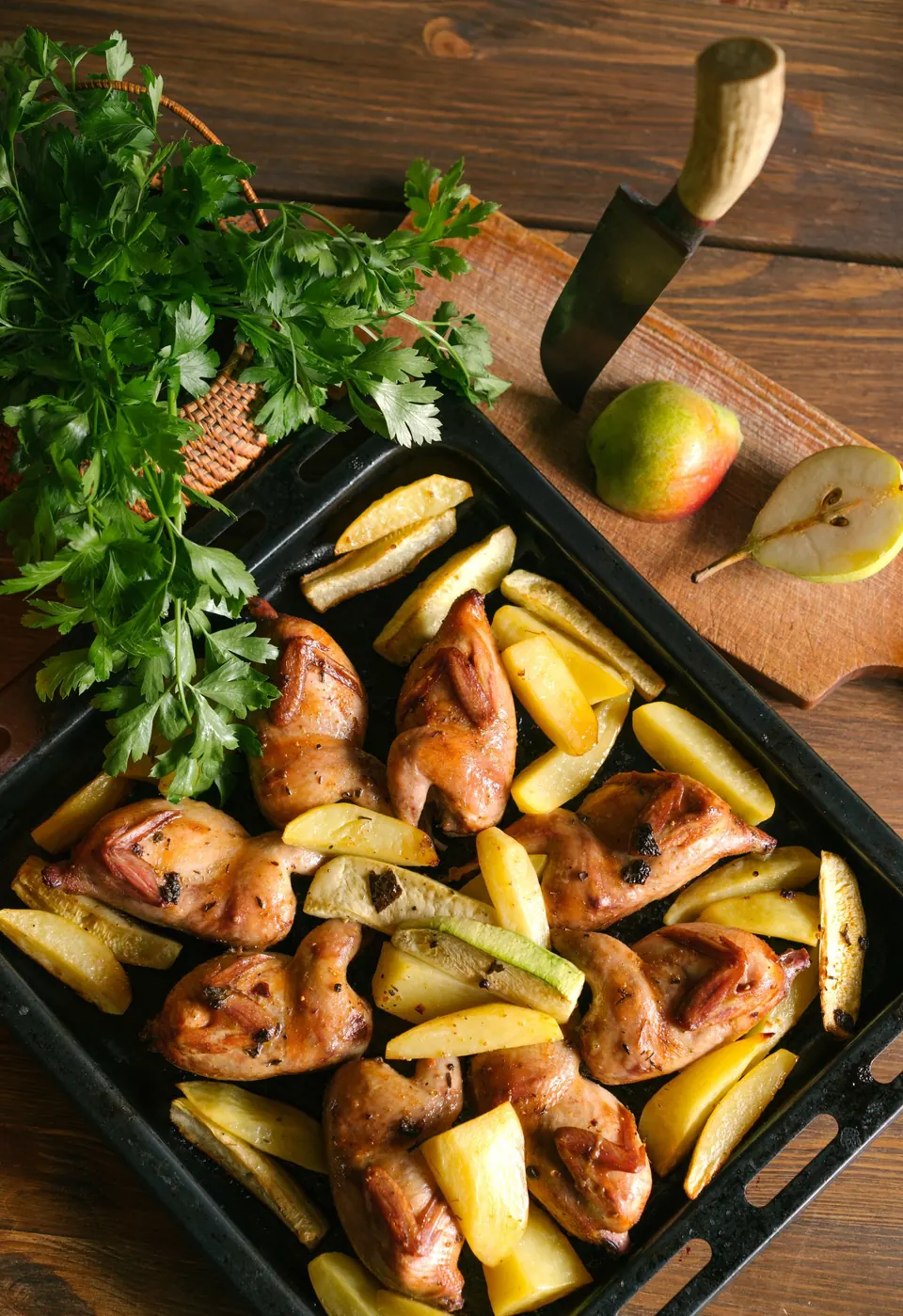
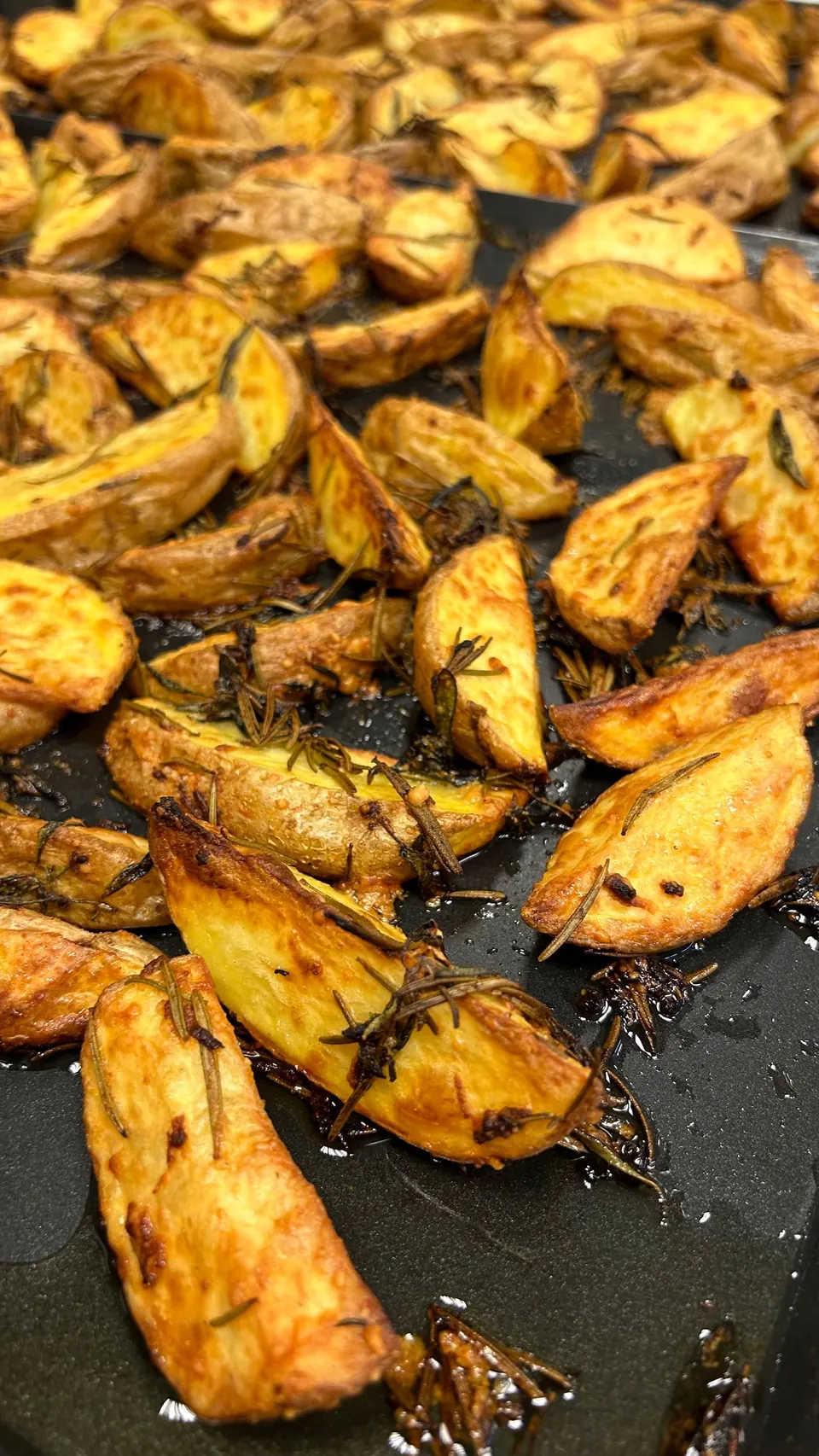
Chicken and potatoes
Chicken pieces with potatoes, lemon and garlic, the classic that never fails.
Photo: ArtHouse Studio on Pexels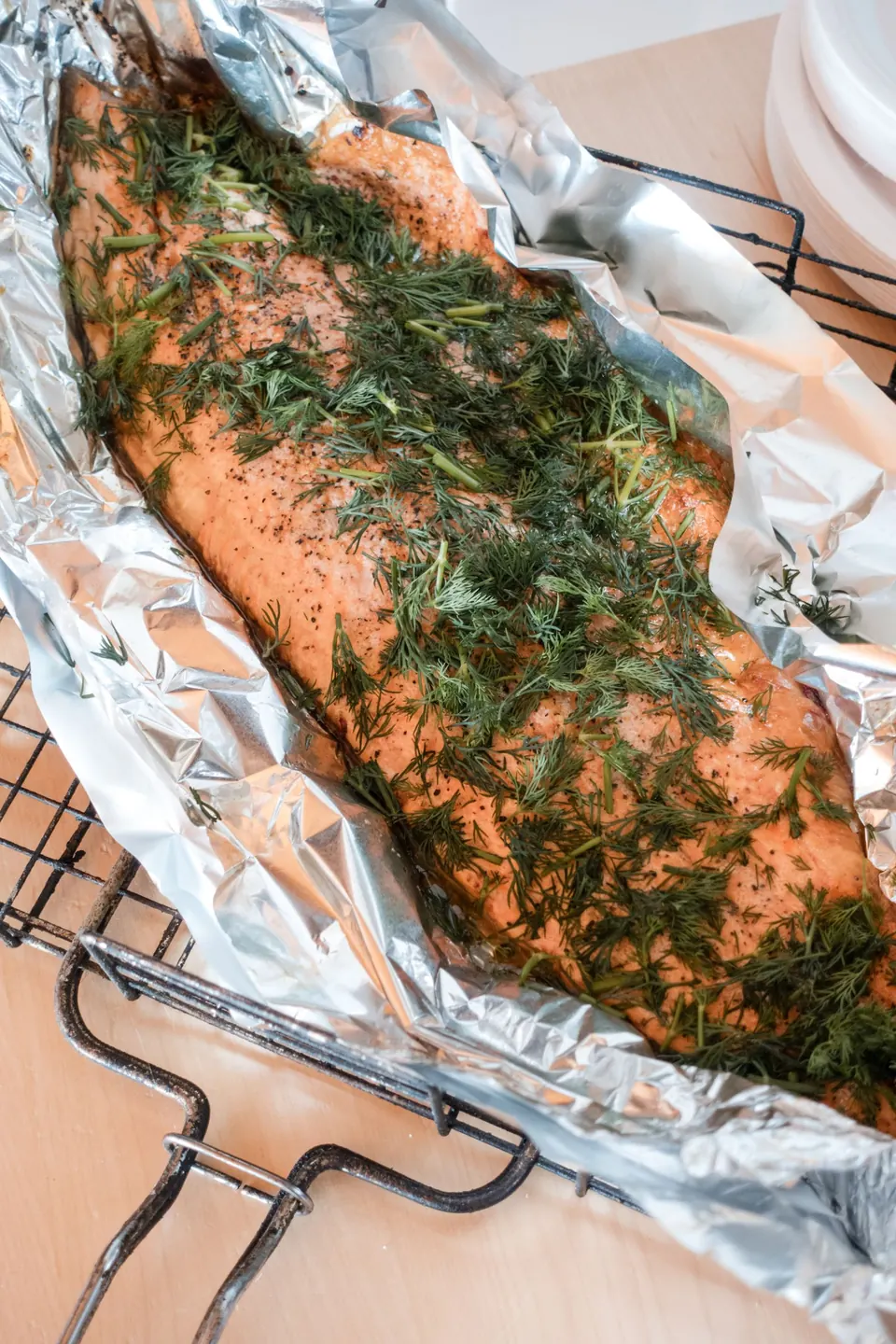
Salmon with dill
A salmon fillet on foil with dill and lemon, ready in about a quarter of an hour.
Photo: Hert Niks on Pexels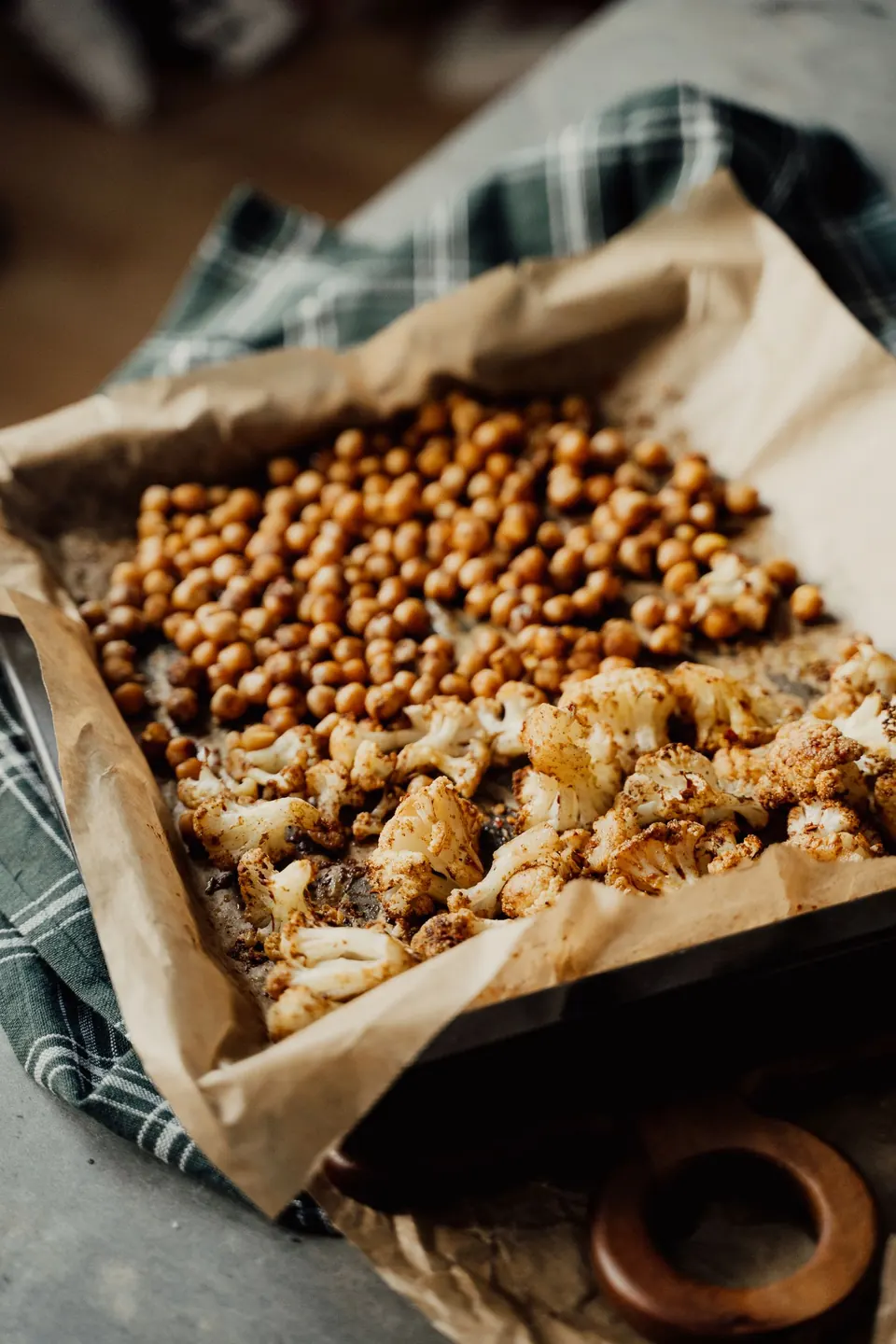
Chickpeas and cauliflower
Chickpeas and roasted cauliflower with cumin, a plant-based dinner with protein and fiber.
Photo: Alesia Kozik on Pexels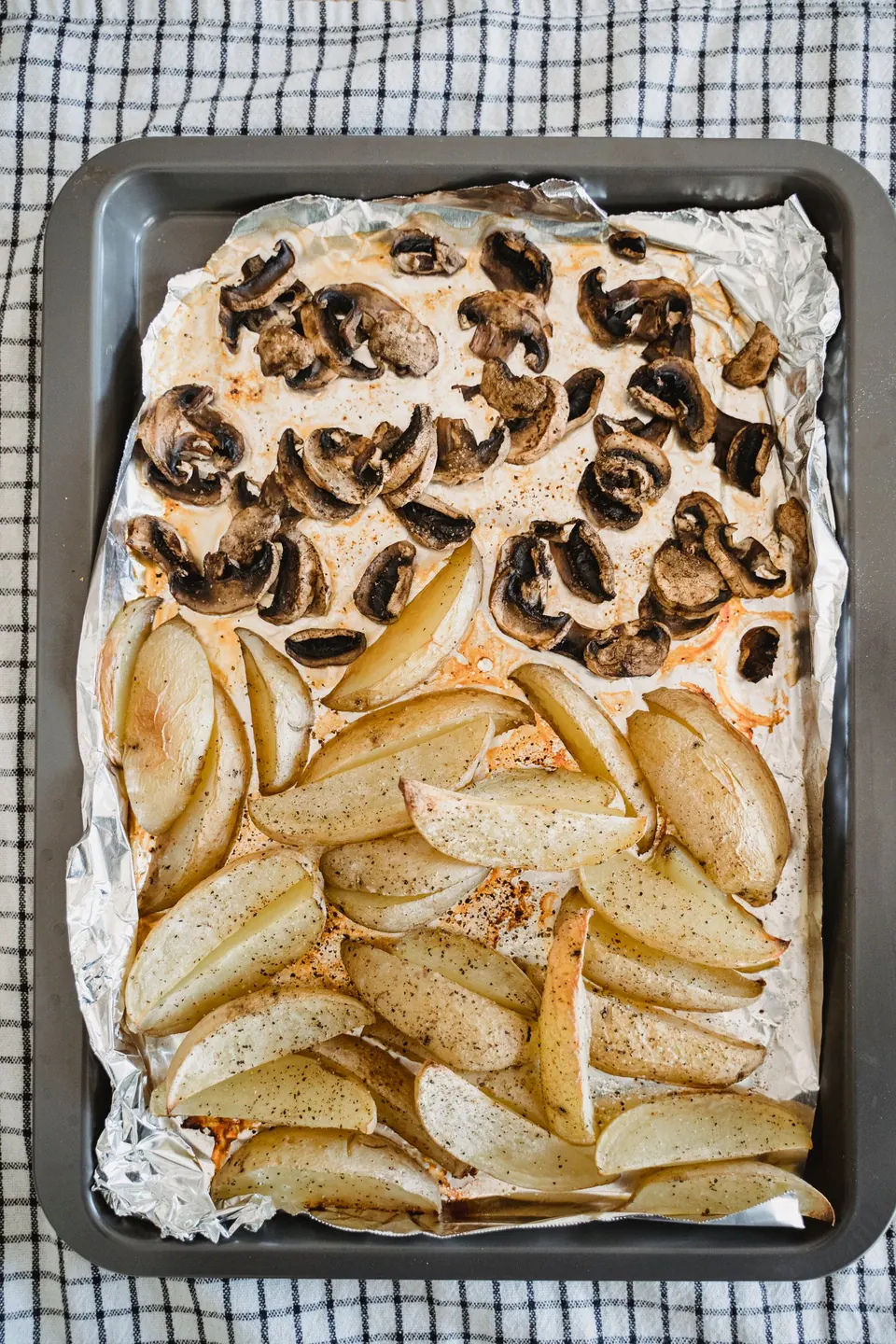
Potatoes and mushrooms
Sliced potatoes and herbed mushrooms, a side dish or a light dinner with eggs.
Photo: Nicola Barts on Pexels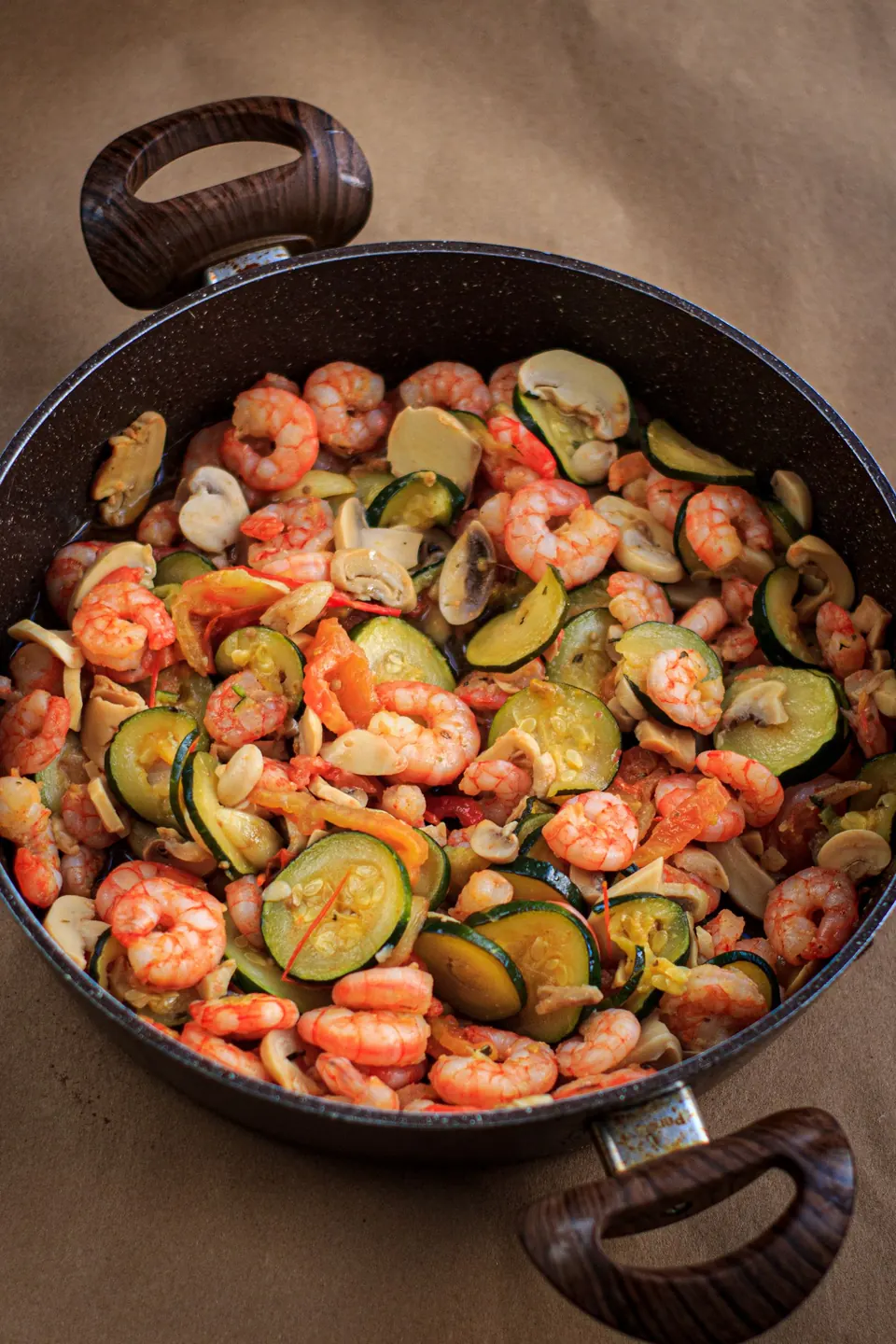
Shrimp and zucchini
Shrimp cook fast, so add them last, on top of the zucchini, so they don't turn rubbery.
Photo: Rolando Somarriba on Pexels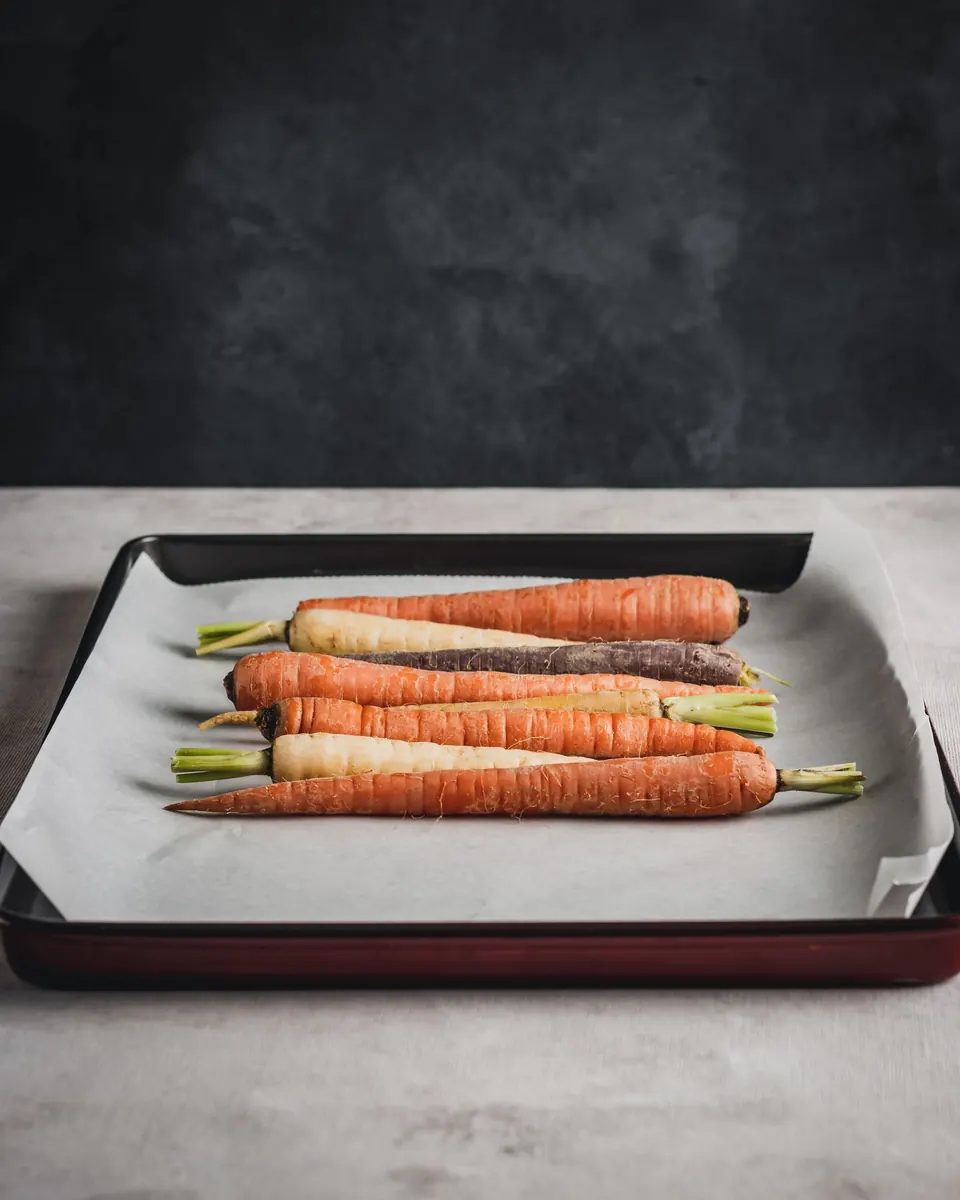
Roasted carrots
Whole carrots with a little oil and a touch of honey brighten up any chicken or meat tray.
Photo: Anna Pyshniuk on Pexels
How to choose your protein
- Chicken breast, shrimp and hamour are the lightest picks when you want plenty of protein for few calories.
- Salmon twice a week is a good choice; a piece the size of your palm is enough.
- Red meat once or twice a week gives you iron; choose the leaner cuts.
- Take the skin off chicken and trim visible fat from meat before cooking.
- Grill or bake instead of frying, and measure oil by the spoon instead of pouring it.
Common questions
How many calories in 100 g of grilled chicken breast?
Grilled skinless chicken breast has 165 calories and 31 g of protein per 100 g, the most protein per calorie in this guide.
How many calories in grilled hamour (grouper)?
Grilled hamour has 118 calories and 24.8 g of protein per 100 g, and a whole fillet (about 202 g) has 238 calories.
How many calories in shrimp?
Shrimp cooked without oil has 99 calories and 24 g of protein per 100 g. Fried shrimp or shrimp in a sauce is much higher.
Is chicken or lamb lower in calories?
Chicken breast is lighter: 165 calories per 100 g versus 225 for lamb. But lamb has more iron, so there's no need to drop it; just mix the two.
How much iron does a woman need per day?
Women aged 19 to 50 need 18 mg a day, and 27 mg during pregnancy, according to the US National Institutes of Health. Check with your doctor before taking any supplement.
Sources
- USDA FoodData Central, U.S. Department of Agriculture. Values per 100 g, computed at the portion weight shown:
- Crustaceans, shrimp, cooked FDC 175180
- Fish, grouper, mixed species, cooked, dry heat FDC 171963
- Fish, tuna, yellowfin, fresh, cooked, dry heat FDC 172006
- Fish, tuna, light, canned in water, without salt, drained solids FDC 171986
- Fish, salmon, Atlantic, farmed, cooked, dry heat FDC 175168
- Chicken, broilers or fryers, breast, meat only, cooked, roasted FDC 171477
- Chicken, broilers or fryers, thigh, meat only, cooked, roasted FDC 172388
- Lamb, leg, shank half, separable lean and fat, trimmed to 1/4" fat, choice, cooked, roasted FDC 172485
- Beef, ground, 85% lean meat / 15% fat, patty, cooked, broiled FDC 174032
- Lentils, mature seeds, cooked, boiled, without salt FDC 172421
- Iron: Fact Sheet for Health Professionals, NIH Office of Dietary Supplements.
- Advice about Eating Fish: For Those Who Might Become or Are Pregnant or Breastfeeding and Children Ages 1 to 11 Years, U.S. Food and Drug Administration.
Numbers are computed from USDA per-100 g values at the weight in each table, and rounded. Real food varies by recipe and brand.